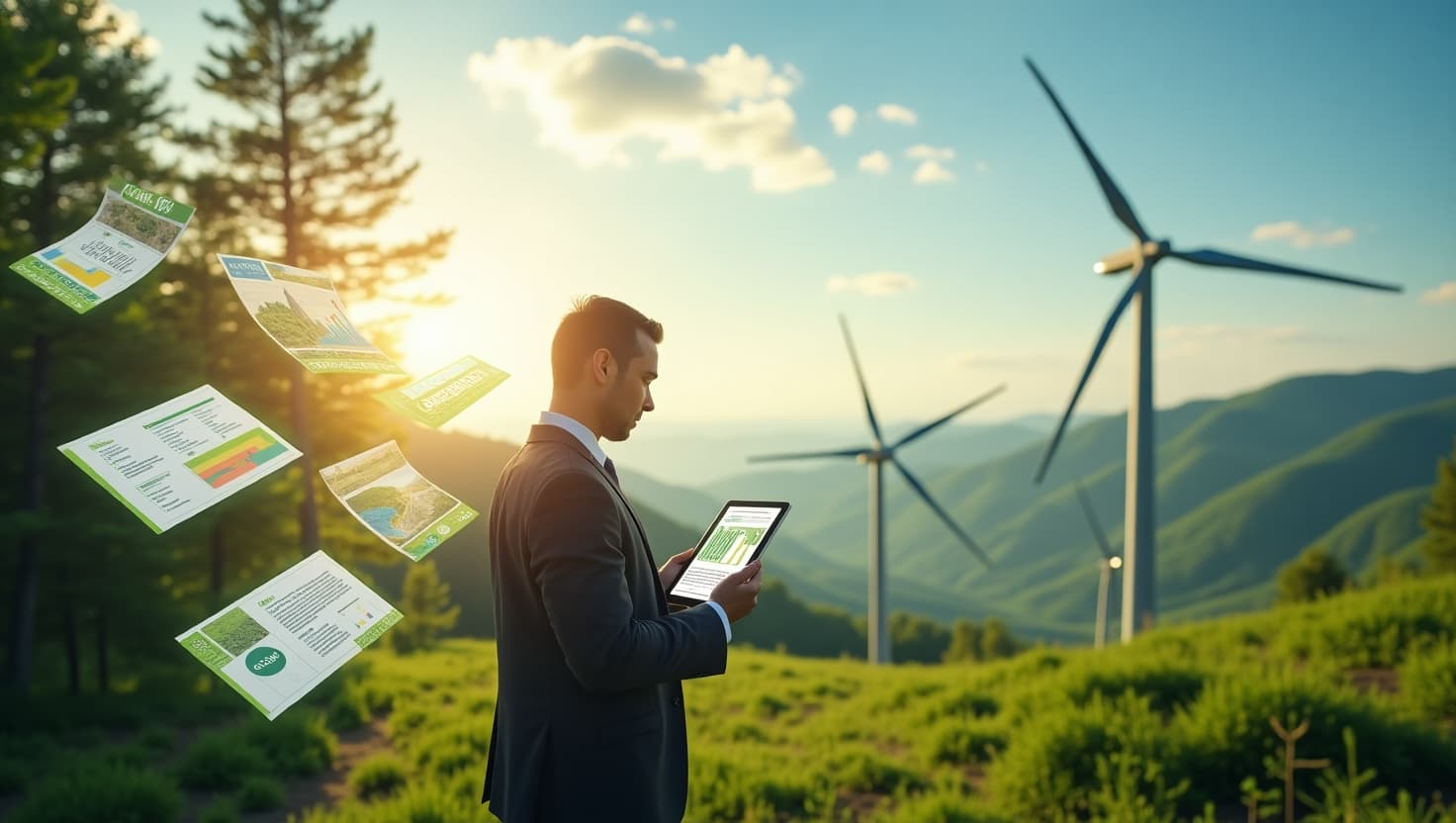
Understanding the Different Types of Carbon Credits
- Carbon Credits
- Sustainability
- types of carbon credits
Table of Contents
- Why Carbon Credits Matter
- Exploring Carbon Credit Categories
- How Carbon Credits Are Verified
- Real-World Success Stories
- Common Questions About Carbon Credits
- Taking Your First Step
Why Carbon Credits Matter
Carbon credits work differently than most people expect. Here's what actually matters when you're getting started with understanding the types of carbon credits. These credits represent a measurable reduction or removal of greenhouse gases from the atmosphere, allowing companies or individuals to offset their emissions. But not all carbon credits are created equal. The type of credit you choose can influence the impact your investment has on the environment and your business goals.
Understanding the different types of carbon credits helps you make informed decisions that align with your sustainability strategy. Whether you're a business aiming to meet regulatory requirements or an individual wanting to support climate action, knowing the distinctions is key.
Exploring Carbon Credit Categories
Carbon credits generally fall into a few broad categories based on the project type that generates them. The most common types include:
Forestry and Land Use Credits: These come from projects that protect or restore forests, which absorb CO2 naturally. Examples include reforestation, avoided deforestation, and improved forest management.
Renewable Energy Credits: Generated by projects that produce clean energy such as wind, solar, or hydroelectric power, these credits represent emissions avoided by replacing fossil fuel energy sources.
Methane Capture Credits: These credits come from capturing methane emissions from landfills, agriculture, or wastewater treatment, preventing a potent greenhouse gas from entering the atmosphere.
Industrial Gas Reduction Credits: These involve reducing emissions of industrial gases like HFCs or N2O, which have a much higher global warming potential than CO2.
Each type has unique benefits and challenges, and the choice depends on your priorities, whether it's supporting biodiversity, clean energy, or industrial innovation.
How Carbon Credits Are Verified
Verification is crucial to ensure carbon credits represent real, additional, and permanent emission reductions. Different standards and registries exist to certify projects, such as the Verified Carbon Standard (VCS), Gold Standard, and the Climate Action Reserve.
The verification process typically involves:
- Project design and documentation.
- Independent third-party validation.
- Ongoing monitoring and reporting.
- Issuance of credits based on verified emission reductions.
Understanding these steps helps you trust the carbon credits you purchase and ensures your contribution genuinely supports climate goals.
Real-World Success Stories
Last year, a mid-sized manufacturing company reduced emissions by 40%. Their approach centered on purchasing forestry-based carbon credits that supported reforestation projects in South America. This not only offset their emissions but also contributed to local biodiversity and community development.
Another example is a tech firm that invested in renewable energy credits from solar farms in India. This helped them meet their net-zero targets while promoting clean energy infrastructure in emerging markets.
These cases show how different types of carbon credits can align with diverse corporate sustainability strategies and deliver tangible environmental and social benefits.
Common Questions About Carbon Credits
Q: Are all carbon credits equal in quality? A: No, quality varies based on project type, verification standard, and permanence. It's important to choose credits certified by reputable standards.
Q: Can individuals buy carbon credits? A: Yes, many platforms allow individuals to purchase carbon credits to offset personal emissions.
Q: How do carbon credits fit into regulatory frameworks? A: Some countries have mandatory carbon markets where credits can be traded to meet emission caps, while others use voluntary markets.
Taking Your First Step
If you're ready to explore carbon credits, start by identifying your emission sources and sustainability goals. Research the types of carbon credits that best match your values and verify their certification.
Consider joining communities focused on carbon markets to stay informed and share experiences. For example, Join our WhatsApp community to connect with experts and peers.
Taking action on carbon credits is a meaningful way to contribute to climate solutions while advancing your environmental commitments.