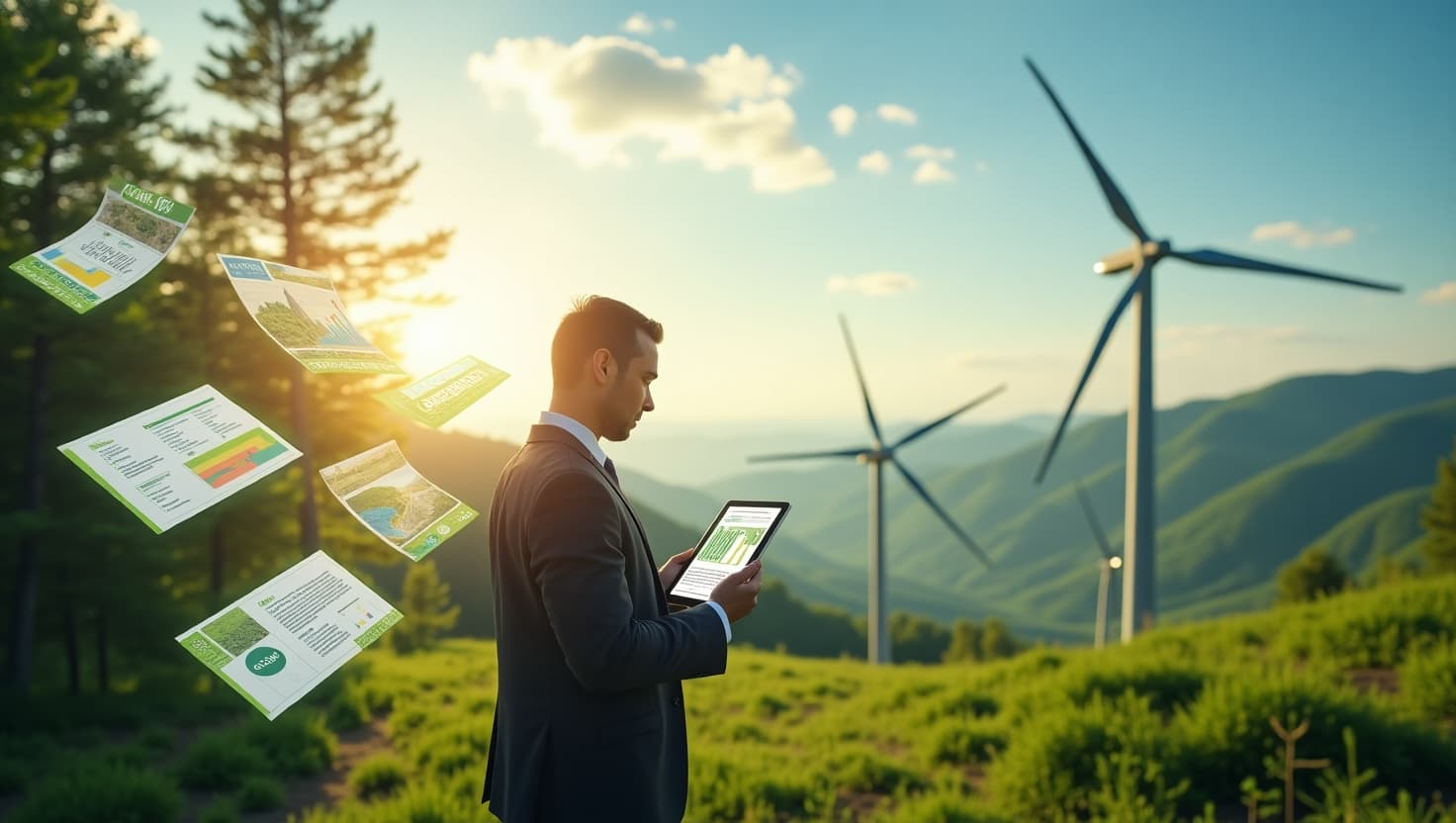
Understanding the Different Types of Carbon Credits
- Carbon Credits
- Sustainability
- Types of Carbon Credits
Table of Contents
- Why Carbon Credits Matter
- Exploring Carbon Credit Categories
- How Carbon Credits Are Verified
- Real-World Carbon Credit Examples
- Common Questions About Carbon Credits
- Taking Your First Steps
Why Carbon Credits Matter
Carbon credits work differently than most people expect. When companies or individuals buy carbon credits, they are essentially paying for verified reductions or removals of greenhouse gases somewhere else. This system helps balance emissions that are hard to eliminate immediately. Understanding the types of carbon credits available is key to making informed decisions that truly support sustainability.
The market for carbon credits is diverse, reflecting the variety of projects that reduce emissions. From protecting forests to capturing methane from landfills, each type of credit represents a unique environmental impact. Knowing these differences helps buyers choose credits that align with their values and goals.
Exploring Carbon Credit Categories
Carbon credits generally fall into a few broad categories based on the project type. The most common include:
Forestry and Land Use: These credits come from projects that protect forests, restore degraded lands, or improve agricultural practices to store more carbon in soil and vegetation.
Renewable Energy: Credits generated by wind, solar, hydro, or biomass projects that replace fossil fuel energy sources.
Methane Capture: Projects that capture methane emissions from sources like landfills, coal mines, or livestock operations.
Energy Efficiency: Initiatives that reduce energy consumption in buildings, factories, or transportation.
Each category has its own verification standards and environmental benefits. For example, forestry projects often provide additional biodiversity and community benefits, while renewable energy credits focus on reducing fossil fuel dependence.
How Carbon Credits Are Verified
Verification is crucial to ensure carbon credits represent real, measurable emission reductions. Independent third-party organizations audit projects to confirm they meet established standards. These standards include the Verified Carbon Standard (VCS), Gold Standard, and others.
Verification involves:
- Baseline assessment to determine emissions without the project.
- Monitoring emissions reductions over time.
- Ensuring permanence, meaning the carbon stays stored or emissions stay avoided.
- Avoiding double counting by registering credits in official registries.
Understanding this process helps buyers trust the quality of the carbon credits they purchase and supports the integrity of carbon markets.
Real-World Carbon Credit Examples
Consider a wind farm in Texas that generates renewable energy credits by displacing coal power. These credits are sold to companies aiming to offset their emissions. Another example is a reforestation project in Brazil that protects endangered forest areas, generating forestry carbon credits.
A landfill in California captures methane gas and converts it to energy, creating methane capture credits. These examples show how different types of carbon credits contribute to emission reductions in varied ways.
Common Questions About Carbon Credits
Q: Are all carbon credits the same? No, they vary by project type, location, and verification standard. Some credits also offer additional benefits like community development.
Q: Can carbon credits be double counted? Proper registries and verification prevent this, but buyers should ensure credits come from reputable sources.
Q: How many types of carbon credits exist? While categories are broad, there are dozens of specific project types within them, each with unique impacts.
Taking Your First Steps
If you're new to carbon credits, start by identifying your sustainability goals. Decide which types of carbon credits align with your values, whether it's supporting renewable energy or protecting forests.
Next, research verified projects and standards to ensure credibility. Consider joining communities like Join our WhatsApp community to stay updated and connect with experts.
Finally, integrate carbon credits into your broader environmental strategy to maximize impact and transparency.
Understanding the types of carbon credits available empowers you to make smarter choices in the carbon market and contribute meaningfully to climate action.