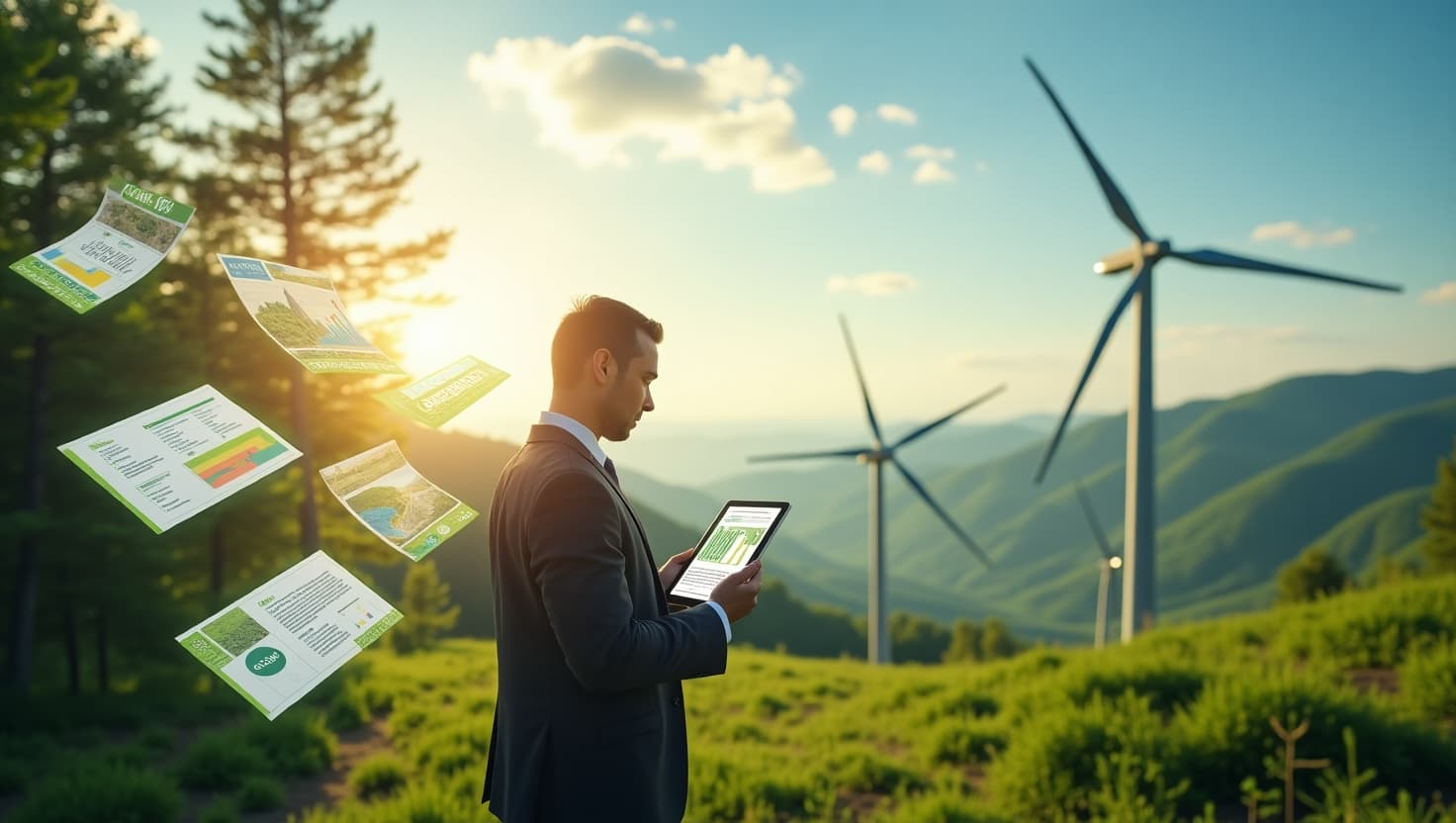
Understanding the Different Types of Carbon Credits
- Carbon Credits
- Sustainability
- types of carbon credits
Table of Contents
- Why Carbon Credits Matter
- Exploring Carbon Credit Categories
- How Carbon Credits Are Verified
- Real-World Carbon Credit Examples
- Common Questions About Carbon Credits
- Taking Your First Step
Why Carbon Credits Matter
Carbon credits work differently than most people expect. Here's what actually matters when you're getting started with types of carbon credits. These credits represent a measurable reduction or removal of greenhouse gases from the atmosphere, allowing companies and individuals to offset their emissions. Understanding the different types helps you make informed decisions about which credits align with your sustainability goals.
Carbon credits are not one-size-fits-all. They come from various projects, each with unique impacts and verification standards. Knowing the distinctions can help you navigate the carbon market more confidently. For instance, a company focused on renewable energy may prioritize purchasing credits from solar projects, while a business in the manufacturing sector might look for credits from industrial gas reduction initiatives.
Exploring Carbon Credit Categories
Carbon credits generally fall into a few main categories based on the project type. The most common are:
- Forestry and land use projects, which include reforestation, avoided deforestation, and soil carbon sequestration. For example, the Eden Reforestation Projects focus on replanting trees in deforested areas, generating significant carbon credits while also supporting local communities.
- Renewable energy projects, such as wind, solar, and hydroelectric power generation that displace fossil fuel use. Companies like NextEra Energy are leading the way in this category, providing substantial carbon credits through their renewable energy initiatives.
- Methane capture projects, often from landfills or agricultural operations, which prevent methane from entering the atmosphere. Projects like those run by Waste Management capture methane from landfills, converting it into energy and generating carbon credits.
- Industrial gas projects that reduce potent greenhouse gases like HFCs or N2O. These projects are crucial for industries that produce high emissions and can significantly contribute to overall emission reductions.
Each category offers different benefits and challenges. For example, forestry projects provide biodiversity benefits but require long-term monitoring, while renewable energy projects offer immediate emission reductions, making them attractive for companies looking to make quick impacts.
How Carbon Credits Are Verified
Verification is crucial to ensure carbon credits represent real, additional, and permanent emission reductions. Independent third-party auditors assess projects against standards like the Verified Carbon Standard (VCS), Gold Standard, or the Climate Action Reserve.
The process involves:
- Project design and documentation. This includes detailed plans outlining how emissions reductions will be achieved.
- Validation by an accredited body. This ensures the project meets established standards before any credits are issued.
- Monitoring and reporting emissions reductions. Continuous tracking is essential for maintaining transparency and accountability.
- Verification audits. These are conducted periodically to ensure ongoing compliance with standards.
- Issuance of carbon credits. Only after passing all these stages can credits be sold or traded.
This rigorous approach builds trust in the types of carbon credits available and protects buyers from ineffective offsets, ensuring that investments lead to genuine environmental benefits.
Real-World Carbon Credit Examples
Consider a wind farm in Texas that generates clean electricity, displacing coal power. It earns renewable energy carbon credits that companies can buy to offset their emissions. Another example is a reforestation project in Brazil that plants native trees, capturing carbon dioxide over decades and issuing forestry carbon credits. Projects like the Green Belt Movement in Kenya also illustrate how community-led initiatives can generate carbon credits while enhancing local ecosystems.
These projects demonstrate how different types of carbon credits contribute to emission reductions in diverse ways. They also highlight the importance of choosing credits that align with your values and impact goals, ensuring that your investment supports initiatives you believe in.
Common Questions About Carbon Credits
What ensures a carbon credit is legitimate? Verification standards and transparency in project reporting are key. Can carbon credits be double-counted? Proper registry systems prevent this by tracking ownership and retirement of credits. How do prices vary? Factors include project type, location, and certification level, with some credits fetching higher prices due to their perceived quality and impact.
Understanding these aspects helps you avoid pitfalls and select carbon credits that truly support your environmental commitments. Engaging with platforms like Carbonfund.org can also provide clarity and options tailored to your needs.
Taking Your First Step
If you're ready to explore types of carbon credits for your business or personal goals, start by identifying your priorities. Do you want to support renewable energy, protect forests, or reduce industrial emissions? Research certified projects and consider consulting experts.
Join discussions and stay updated by joining our WhatsApp community. Engaging with others can provide insights and opportunities in the evolving carbon market. You can also explore platforms like Gold Standard or Verra for reliable project options.
Carbon credits offer a practical way to contribute to climate solutions. With the right knowledge, you can make choices that align with your values and drive real impact, ensuring your efforts lead to meaningful environmental change.