Unlocking Biomass Gasification Hydrogen Technology
- Biomass Gasification Hydrogen Technology Explained
- Carbon Credits
- Sustainability
Table of Contents
- A Fresh Look at Biomass Gasification
- Why Hydrogen from Biomass Matters
- Step-by-Step Process Breakdown
- Real-World Success Stories
- Common Questions Answered
- Taking Action on Clean Energy
A Fresh Look at Biomass Gasification
Imagine turning agricultural waste, wood chips, or even organic residues into a clean fuel that powers vehicles or industries. That’s the promise of biomass gasification hydrogen technology explained in simple terms. This innovative process converts solid biomass into hydrogen gas, a clean energy carrier, through a controlled reaction with limited oxygen. It’s a clever way to tap into renewable resources while significantly reducing reliance on fossil fuels.
Biomass gasification isn’t just about energy; it’s about creating value from what would otherwise be discarded. The technology is gaining traction as industries seek sustainable alternatives, and understanding how it works opens doors to smarter energy choices and effective carbon reduction strategies. For instance, companies like BioEnergy Technologies are pioneering this field, showcasing how biomass can be a game-changer in energy production.
Why Hydrogen from Biomass Matters
Hydrogen is often hailed as a future fuel, but producing it sustainably is key. Biomass gasification offers a renewable path to hydrogen, unlike traditional methods relying heavily on natural gas. This approach not only helps lower greenhouse gas emissions but also supports circular economy principles by utilizing waste materials that would otherwise contribute to landfill issues.
The impact goes beyond emissions. Hydrogen from biomass can fuel transportation, generate electricity, and serve as a raw material in chemical industries. Its versatility makes it a strategic asset in the global shift toward cleaner energy systems. Moreover, it can create local jobs and stimulate rural economies where biomass feedstock is abundant, providing a dual benefit of economic growth and environmental sustainability.
Step-by-Step Process Breakdown
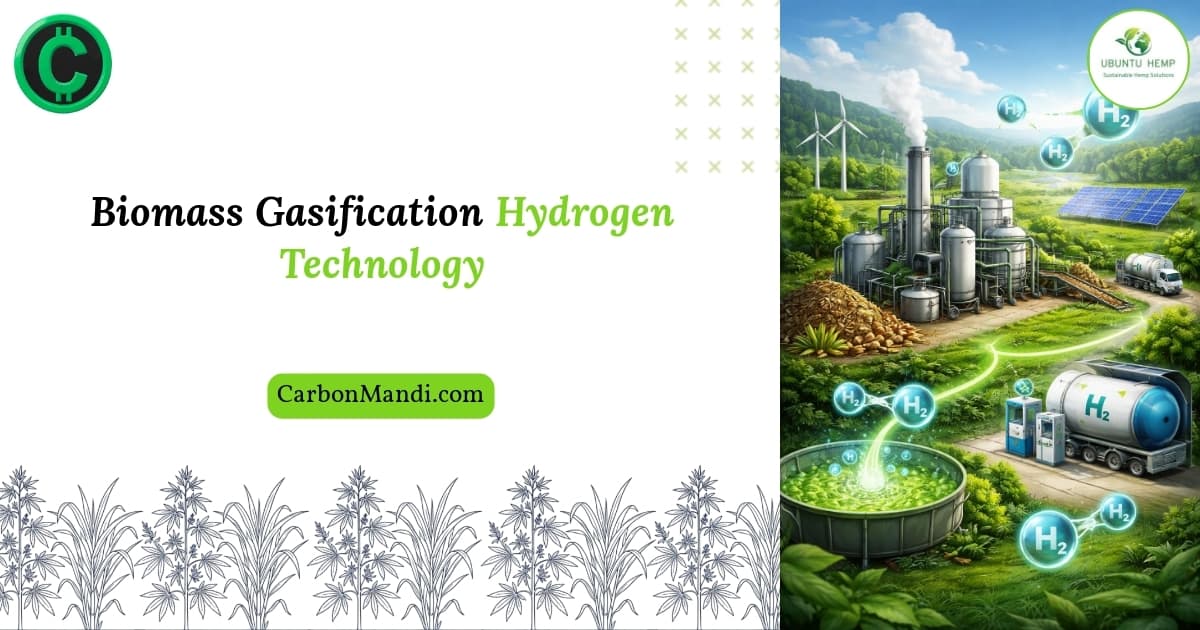
Understanding the process helps demystify biomass gasification hydrogen technology explained here:
- Feedstock Preparation: Biomass like wood chips or agricultural residues is dried and sized for optimal gasification. This step is crucial as it ensures that the biomass is in the best form for conversion.
- Gasification Reactor: The prepared biomass enters a high-temperature reactor with controlled oxygen, converting it into syngas—a mixture of hydrogen, carbon monoxide, and other gases. This reactor operates at temperatures exceeding 800 degrees Celsius, facilitating efficient conversion.
- Gas Cleaning: Impurities such as tar and particulates are removed to purify the syngas. Advanced filtration systems are often employed to ensure the highest quality of hydrogen is produced.
- Hydrogen Separation: Advanced techniques extract hydrogen from the cleaned syngas, ready for use. Technologies such as pressure swing adsorption (PSA) are commonly used in this stage.
Each step is critical to efficiency and output quality. Innovations continue to improve yields and reduce costs, making this technology increasingly viable. Companies like Air Products are at the forefront of developing these technologies, ensuring that the hydrogen produced meets stringent quality standards.
Real-World Success Stories
One notable example is a pilot plant in Europe that uses forestry residues to produce hydrogen for local fuel cell vehicles. This project demonstrated a 30% reduction in carbon emissions compared to conventional hydrogen production methods, showcasing the potential of biomass gasification.
In Asia, a biomass gasification facility integrated with a sugar mill converts bagasse into hydrogen, powering onsite operations and selling excess energy to the grid. This dual benefit boosts profitability and sustainability, illustrating how biomass can be effectively utilized in various sectors.
These cases highlight how biomass gasification hydrogen technology explained through practical applications can transform industries and communities, paving the way for a cleaner energy future.
Common Questions Answered
Is biomass gasification hydrogen technology expensive? Initial setup costs can be high, but operational savings and environmental benefits often justify the investment over time. Many governments also offer incentives for renewable energy projects, which can offset initial expenses.
What types of biomass work best? Woody biomass, agricultural residues, and certain organic wastes are ideal due to their energy content and availability. Sourcing locally available materials can significantly enhance the economic viability of a project.
How clean is the hydrogen produced? When properly managed, the hydrogen is very clean, suitable for fuel cells and industrial uses. Continuous monitoring and advanced purification processes ensure that the hydrogen meets industry standards.
Taking Action on Clean Energy
If you’re exploring renewable energy options, consider how biomass gasification hydrogen technology fits your goals. Engage with experts, assess local biomass availability, and explore partnerships with organizations focused on sustainable energy solutions.
Join conversations and stay updated by joining our WhatsApp community. Sharing knowledge accelerates progress and fosters innovation in the field of clean energy.
Carbonmandi is building this initiative with the advisory of Ubuntuhemp, ensuring a comprehensive approach to sustainable energy solutions.