Unlocking Biomass Hydrogen Potential in India’s Green Hydrogen Mission
- Biomass Hydrogen Under India’s National Green Hydrogen Mission
- Carbon Credits
- Sustainability
Table of Contents
- Rethinking Energy with Biomass Hydrogen
- Strategic Pathways in India’s Green Hydrogen Mission
- Turning Biomass into Hydrogen: The Process
- Success Stories from Indian Initiatives
- Common Queries About Biomass Hydrogen
- Taking Action: How to Engage
Rethinking Energy with Biomass Hydrogen
Imagine a future where India’s vast agricultural residues and organic waste become a powerhouse for clean energy. Biomass hydrogen under India’s National Green Hydrogen Mission is not just a concept but a transformative approach to sustainable fuel. Unlike traditional hydrogen production methods that rely heavily on fossil fuels or expensive electrolysis, biomass hydrogen taps into renewable organic materials, offering a greener, more accessible alternative.
This approach aligns perfectly with India’s ambitious goals to reduce carbon emissions and promote energy independence. Biomass hydrogen is gaining attention because it leverages existing agricultural byproducts, turning waste into valuable energy. This not only supports rural economies but also addresses environmental concerns linked to biomass burning.
Strategic Pathways in India’s Green Hydrogen Mission
India’s National Green Hydrogen Mission has laid out a clear roadmap to integrate biomass hydrogen into the country’s energy mix. The strategy involves incentivizing research and development, building infrastructure for biomass collection and processing, and fostering public-private partnerships. The government’s focus is on creating scalable models that can be replicated across states with abundant biomass resources.
One key element is the emphasis on decentralized hydrogen production units. These smaller plants can operate near biomass sources, reducing transportation costs and emissions. The mission also encourages innovation in biomass gasification and reforming technologies to improve efficiency and lower costs.
Turning Biomass into Hydrogen: The Process
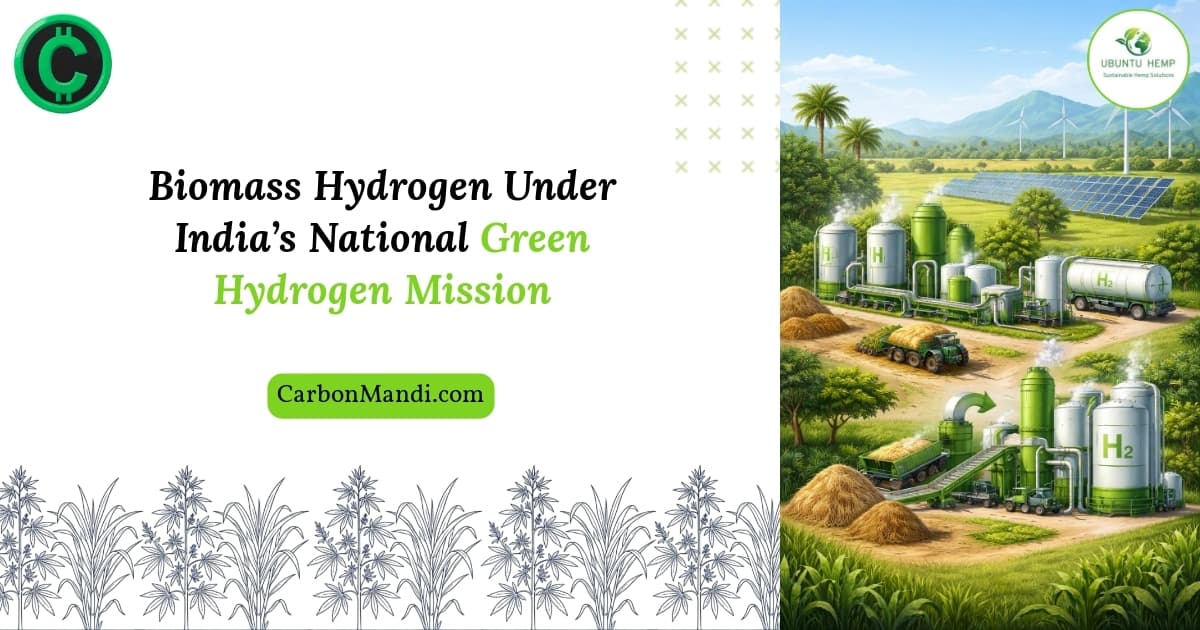
Converting biomass into hydrogen involves several steps, each critical to maximizing output and sustainability. First, biomass feedstock such as crop residues, forestry waste, or organic municipal waste is collected and prepared. Then, through thermochemical processes like gasification, the biomass is converted into a synthesis gas (syngas) containing hydrogen, carbon monoxide, and carbon dioxide.
Next, the syngas undergoes a water-gas shift reaction to increase hydrogen concentration. Finally, purification technologies separate hydrogen from other gases, resulting in high-purity hydrogen ready for use. This process not only produces clean hydrogen but also generates biochar and other byproducts that can enhance soil health or be used as fuel.
Success Stories from Indian Initiatives
Several pilot projects across India demonstrate the viability of biomass hydrogen under the National Green Hydrogen Mission. For instance, a project in Tamil Nadu successfully converted sugarcane bagasse into hydrogen, powering local industries with reduced carbon footprints. Similarly, in Maharashtra, a biomass gasification plant uses cotton stalks to produce hydrogen, supporting nearby transportation fleets.
These examples highlight how biomass hydrogen can create local employment, reduce dependency on fossil fuels, and contribute to cleaner air. They also provide valuable data to optimize technology and scale production.
Common Queries About Biomass Hydrogen
Q: How does biomass hydrogen compare to green hydrogen from electrolysis? A: Biomass hydrogen uses organic waste as feedstock, making it cost-effective and sustainable, especially in agricultural regions. Electrolysis requires significant electricity, often from renewable sources, which can be limited.
Q: What are the environmental impacts? A: Biomass hydrogen reduces open burning of agricultural waste, lowering air pollution. It also offers a carbon-neutral cycle if managed sustainably.
Q: Is the technology ready for large-scale deployment? A: While promising, biomass hydrogen technology is still evolving. The National Green Hydrogen Mission supports pilot projects and scaling efforts to address technical and economic challenges.
Taking Action: How to Engage
If you’re interested in the future of clean energy, biomass hydrogen under India’s National Green Hydrogen Mission offers exciting opportunities. Whether you’re a policymaker, entrepreneur, or community leader, understanding this technology can help you contribute to India’s green transition.
Explore partnerships, invest in pilot projects, or join discussions in specialized forums. For ongoing updates and community support, consider joining our WhatsApp group.
Carbonmandi building this With the advisory of Ubuntuhemp