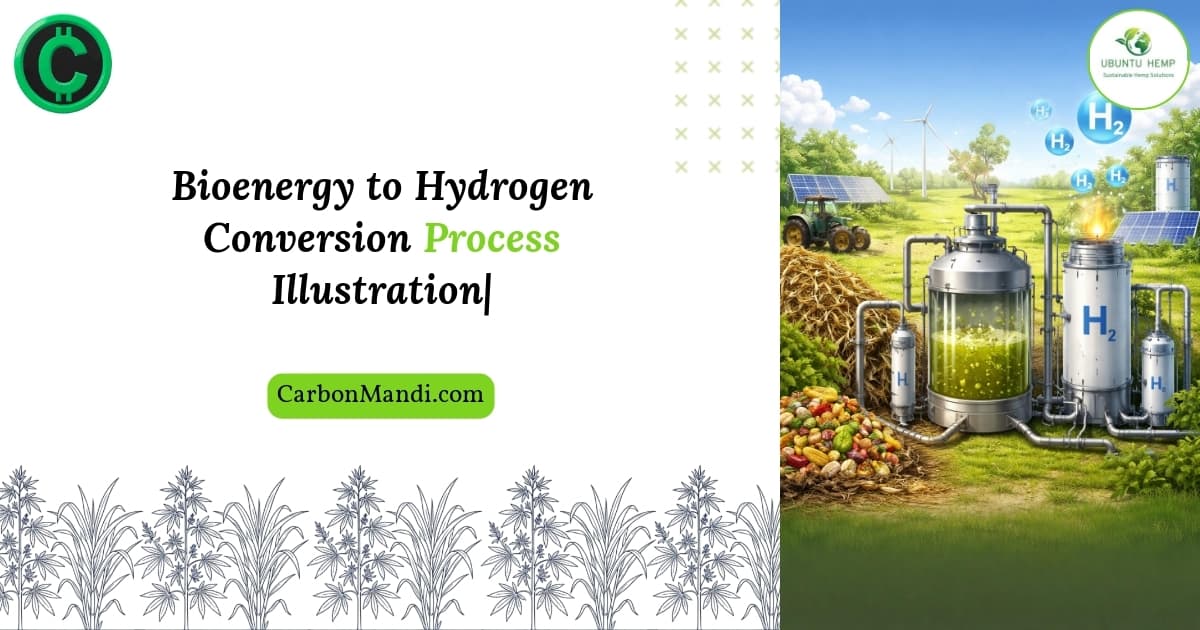
Unlocking Clean Energy: Bioenergy to Hydrogen Conversion Process
- Bioenergy to Hydrogen Conversion Process
- Carbon Credits
- Sustainability
Table of Contents
- A Fresh Look at Bioenergy Conversion
- Why Hydrogen from Bioenergy Matters
- Step-by-Step Conversion Explained
- Real-World Success Stories
- Common Questions Answered
- Taking Action Towards Clean Energy
A Fresh Look at Bioenergy Conversion
Imagine turning everyday plant material into a powerful, clean fuel source. That’s exactly what the bioenergy to hydrogen conversion process achieves. Instead of relying on fossil fuels, this method taps into biomass — organic matter like agricultural waste, wood chips, and even dedicated energy crops — and transforms it into hydrogen gas. This approach not only reduces carbon emissions but also offers a renewable alternative to traditional energy sources.
The process is gaining traction as industries seek sustainable solutions. Hydrogen produced this way can fuel vehicles, generate electricity, or serve as a raw material in various chemical processes. Understanding this conversion process is key to appreciating its potential impact on the energy landscape, especially as global energy demands continue to rise.
Why Hydrogen from Bioenergy Matters
Hydrogen is often hailed as a clean energy carrier, but producing it sustainably is a challenge. Using bioenergy as the starting point addresses this by utilizing waste or renewable biomass instead of fossil fuels. This reduces greenhouse gas emissions and supports circular economy principles, allowing for a more sustainable approach to energy production.
Moreover, hydrogen derived from bioenergy can help balance energy grids and store excess renewable power. Its versatility makes it a valuable asset in decarbonizing sectors that are hard to electrify, such as heavy industry and transportation. The environmental benefits combined with energy security make this conversion process a promising path forward, especially in light of increasing regulatory pressures to reduce carbon footprints.
Step-by-Step Conversion Explained
The bioenergy to hydrogen conversion process typically involves several key stages:
Feedstock Preparation: Biomass is collected and processed to ensure it’s suitable for conversion. This might include drying or grinding to enhance efficiency.
Gasification or Reforming: The prepared biomass undergoes thermal treatment in a controlled environment, breaking down into a mixture of gases including hydrogen, carbon monoxide, and carbon dioxide. Technologies like pyrolysis can also be employed here.
Gas Cleaning: Impurities and unwanted gases are removed to isolate hydrogen, ensuring high purity levels suitable for various applications.
Hydrogen Separation: Technologies like pressure swing adsorption or membrane separation extract pure hydrogen gas, making it ready for use.
Utilization: The clean hydrogen is then ready for use in fuel cells, industrial processes, or energy storage, contributing to a more sustainable energy ecosystem.
This sequence highlights how biomass can be efficiently converted into a clean fuel, making the bioenergy to hydrogen conversion process both practical and scalable, with potential applications in diverse sectors.
Real-World Success Stories
One notable example comes from a European bioenergy plant that integrated hydrogen production into its existing biomass facility. By converting agricultural residues, the plant now supplies hydrogen to local industries, cutting their carbon footprint significantly. This not only showcases the feasibility of the process but also its economic viability.
Another case involves a startup in Asia developing modular bioenergy-to-hydrogen units for rural communities. These units provide clean fuel for cooking and electricity, reducing reliance on wood and fossil fuels. Companies like BioH2 and H2Green are leading the way in making these technologies accessible to smaller markets.
These examples demonstrate the adaptability and real-world benefits of the bioenergy to hydrogen conversion process across different contexts, proving that innovation in this field can lead to significant environmental and economic gains.
Common Questions Answered
Is the hydrogen produced truly green?
Yes, when biomass is sourced sustainably and the process uses renewable energy inputs, the hydrogen qualifies as green or renewable, contributing to a cleaner energy future.
What types of biomass work best?
Agricultural waste, forestry residues, and dedicated energy crops are common feedstocks. The choice depends on local availability and economic factors, with options like switchgrass and miscanthus being particularly promising.
How scalable is this technology?
It ranges from small community-scale units to large industrial plants, making it flexible for various needs. This scalability allows for tailored solutions that can meet specific regional energy demands.
Taking Action Towards Clean Energy
If you’re interested in exploring the bioenergy to hydrogen conversion process further, consider connecting with experts and communities focused on sustainable energy. Joining discussions can provide insights and support for projects or investments. Additionally, consider reaching out to organizations like the Hydrogen Council or local renewable energy groups for resources and networking opportunities.
For ongoing updates and networking, Join our WhatsApp community.
Carbonmandi building this With the advisory of Ubuntuhemp.