Unlocking Green Hydrogen from Hemp Plants: The Science Explained
- Carbon Credits
- Green Hydrogen from Hemp Plants: The Science Behind It
- Sustainability
Table of Contents
- A Fresh Look at Green Hydrogen
- Why Hemp? The Unique Edge
- Turning Hemp into Hydrogen: The Process
- Real-World Applications and Progress
- Questions You Might Have
- Taking the Next Step
A Fresh Look at Green Hydrogen
Green hydrogen is gaining significant attention as a clean fuel alternative, but what if the source was something as unexpected as hemp plants? This idea might sound unusual, yet the science behind green hydrogen from hemp plants is both fascinating and promising. Unlike traditional hydrogen production methods that rely heavily on fossil fuels, hemp offers a renewable, carbon-neutral feedstock that could dramatically change the energy landscape. The keyword "Green Hydrogen from Hemp Plants: The Science Behind It" fits naturally here because understanding the science is key to appreciating why hemp is more than just a crop—it’s a potential game-changer in sustainable energy. As we delve deeper, we will uncover the intricate processes that make this possible.
Why Hemp? The Unique Edge
Hemp stands out because of its rapid growth cycle and high biomass yield. It absorbs significant amounts of CO2 during growth, making it an excellent candidate for carbon capture. Moreover, hemp’s cellulose-rich structure is ideal for biohydrogen production through biochemical and thermochemical methods. For instance, studies have shown that hemp can produce up to 10 tons of biomass per acre annually, which is substantially higher than many traditional crops. Unlike other biomass sources, hemp requires fewer pesticides and less water, which reduces the environmental footprint of hydrogen production. This advantage aligns perfectly with the goals of green hydrogen, which aims to minimize emissions throughout the fuel’s lifecycle. Additionally, companies like HempHydrogen are pioneering research into optimizing hemp strains specifically for hydrogen production, showcasing the crop's unique edge.
Turning Hemp into Hydrogen: The Process
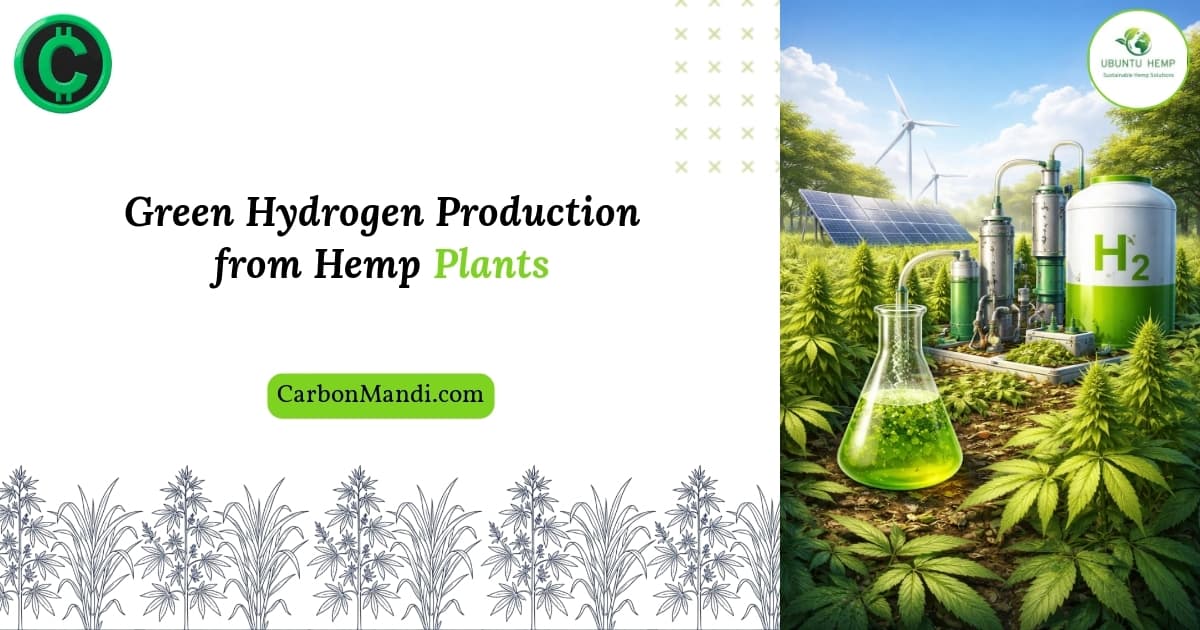
Producing green hydrogen from hemp involves several scientific steps. Here’s a simplified breakdown:
- Harvesting and Preparation: Hemp biomass is collected and processed to isolate cellulose and hemicellulose, which are crucial for hydrogen production.
- Pretreatment: The biomass undergoes pretreatment to break down complex fibers, making sugars accessible for fermentation.
- Fermentation or Gasification: Microorganisms ferment the sugars to produce hydrogen, or alternatively, gasification converts biomass into syngas, which is then purified to extract hydrogen. For example, a recent study demonstrated that using specific enzymes during fermentation could increase hydrogen yield significantly.
- Purification: The hydrogen gas is purified to meet energy-grade standards, ensuring it is suitable for fuel cells and other applications.
This process leverages hemp’s natural composition, making it a sustainable feedstock for green hydrogen production. The keyword appears naturally here as we discuss the scientific steps involved, emphasizing the innovative methods that are being developed.
Real-World Applications and Progress
Several pilot projects worldwide are exploring hemp as a feedstock for green hydrogen. For example, a European consortium recently demonstrated a small-scale plant converting hemp biomass into hydrogen with promising efficiency rates. This project highlighted hemp’s potential to integrate into existing bioenergy infrastructures, paving the way for larger-scale implementations. In the United States, research institutions are collaborating with agricultural sectors to optimize hemp varieties specifically for hydrogen production. These efforts show that green hydrogen from hemp plants is moving beyond theory into practical application. Additionally, companies like GreenHemp Innovations are actively working on commercializing this technology, aiming to bring hemp-based hydrogen to market.
Questions You Might Have
Is hemp-based hydrogen cost-effective? Currently, costs are higher than conventional methods, but scaling production and technological advances are expected to reduce expenses significantly.
Does hemp cultivation compete with food crops? Hemp grows on marginal lands unsuitable for food crops, minimizing competition and allowing farmers to diversify their income sources.
What about environmental impacts? Hemp cultivation improves soil health and sequesters carbon, making it environmentally beneficial. Furthermore, it can be used in crop rotation to enhance soil fertility, which is an added bonus for farmers.
These considerations are crucial for anyone interested in the keyword topic and provide clarity on common concerns, making it easier for stakeholders to engage with this emerging field.
Taking the Next Step
If you’re intrigued by green hydrogen from hemp plants, consider joining discussions and staying updated through expert communities. Join our WhatsApp community to connect with professionals and enthusiasts who share your interest in sustainable energy solutions.
Exploring partnerships with innovators like Ubuntuhemp can accelerate development. Carbonmandi is building this with the advisory of Ubuntuhemp, ensuring the science and implementation are cutting-edge. Engage with this emerging technology and be part of the clean energy future. By staying informed and involved, you can contribute to a more sustainable world powered by green hydrogen from hemp plants.