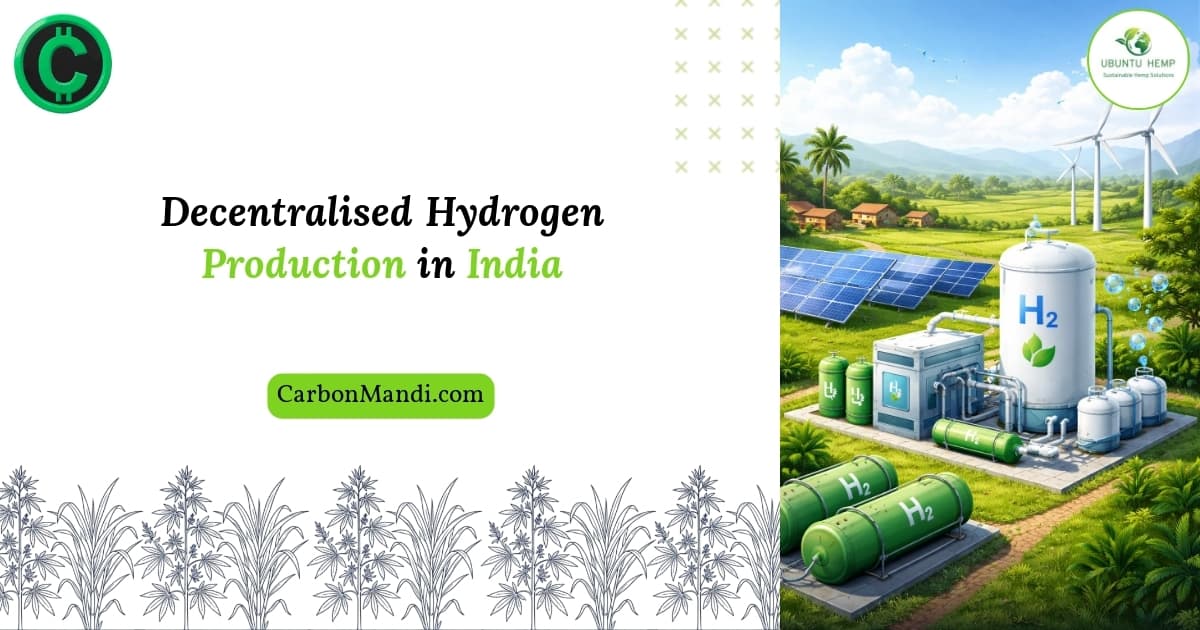
Unlocking India's Potential with Decentralised Hydrogen Production
- Carbon Credits
- Decentralised Hydrogen Production in India
- Sustainability
Table of Contents
- Rethinking Energy Access in India
- Why Decentralised Hydrogen Matters
- Steps to Implementing Local Hydrogen Systems
- Success Stories from Indian Communities
- Common Concerns and Expert Views
- Taking Action and Joining the Movement
Rethinking Energy Access in India
Imagine a village in India where electricity is unreliable and fossil fuels are costly. Decentralised hydrogen production offers a fresh approach to energy that can empower such communities. Instead of relying on large, centralized plants, hydrogen can be produced locally using renewable resources like solar or wind. This shift is not just about technology; it’s about creating energy independence and reducing carbon footprints in a practical way.
Decentralised hydrogen production in India is gaining traction because it aligns with the country’s vast renewable potential and the need for cleaner energy solutions. By producing hydrogen close to where it’s used, transportation costs and emissions drop significantly, making it a viable option for rural and industrial areas alike.
Why Decentralised Hydrogen Matters
The impact of decentralised hydrogen production goes beyond just cleaner fuel. It addresses several pressing challenges India faces:
Local energy security improves as communities generate their own hydrogen, reducing dependence on imported fuels. Renewable energy integration becomes smoother since excess solar or wind power can be converted into hydrogen, balancing supply and demand. Economic opportunities arise through new jobs in hydrogen production, storage, and maintenance. Environmental benefits include lower greenhouse gas emissions and reduced air pollution, crucial for India’s climate goals.
This approach also supports India’s commitment to the Paris Agreement by enabling scalable, low-carbon energy solutions tailored to diverse regional needs.
Steps to Implementing Local Hydrogen Systems
Getting started with decentralised hydrogen production involves several key steps:
- Assess renewable energy availability: Identify solar, wind, or biomass resources suitable for hydrogen generation.
- Choose appropriate electrolyzer technology: Options vary based on scale and energy source, from PEM to alkaline electrolyzers.
- Design storage and distribution: Plan for safe hydrogen storage tanks and local delivery methods.
- Engage stakeholders: Collaborate with local communities, government bodies, and industry partners to ensure support and sustainability.
- Monitor and optimize: Use data analytics to improve efficiency and adapt to changing energy demands.
Following these steps helps ensure that decentralised hydrogen projects are both technically sound and socially accepted.
Success Stories from Indian Communities
In Tamil Nadu, a pilot project uses solar-powered electrolyzers to produce hydrogen for local transport and cooking fuel. This initiative reduced diesel use by 30% and improved air quality in the surrounding villages.
Similarly, in Maharashtra, a decentralised hydrogen plant supports a small industrial cluster, cutting carbon emissions by 25% while lowering energy costs. These examples highlight how decentralised hydrogen production in India is not just theoretical but delivering tangible benefits.
Common Concerns and Expert Views
Q: Is decentralised hydrogen production cost-effective? A: While initial investments can be high, ongoing costs decrease with technology improvements and scale. Government incentives also help offset expenses.
Q: How safe is hydrogen storage in rural areas? A: Modern storage solutions follow strict safety standards. Proper training and community awareness are essential to mitigate risks.
Q: Can decentralised hydrogen compete with traditional fuels? A: In many cases, yes. Especially where fuel transport is expensive or unreliable, local hydrogen production offers a competitive edge.
Experts emphasize that policy support and infrastructure development are critical to unlocking the full potential of decentralised hydrogen in India.
Taking Action and Joining the Movement
Decentralised hydrogen production in India is a promising path toward sustainable energy independence. If you’re interested in learning more or contributing to this transformation, consider these steps:
Explore partnerships with renewable energy providers and technology firms. Stay informed through industry forums and government programs. Join discussions and share insights in communities like ours.
Join our WhatsApp community to connect with experts and peers passionate about clean energy solutions.
Carbonmandi building this With the advisory of Ubuntuhemp