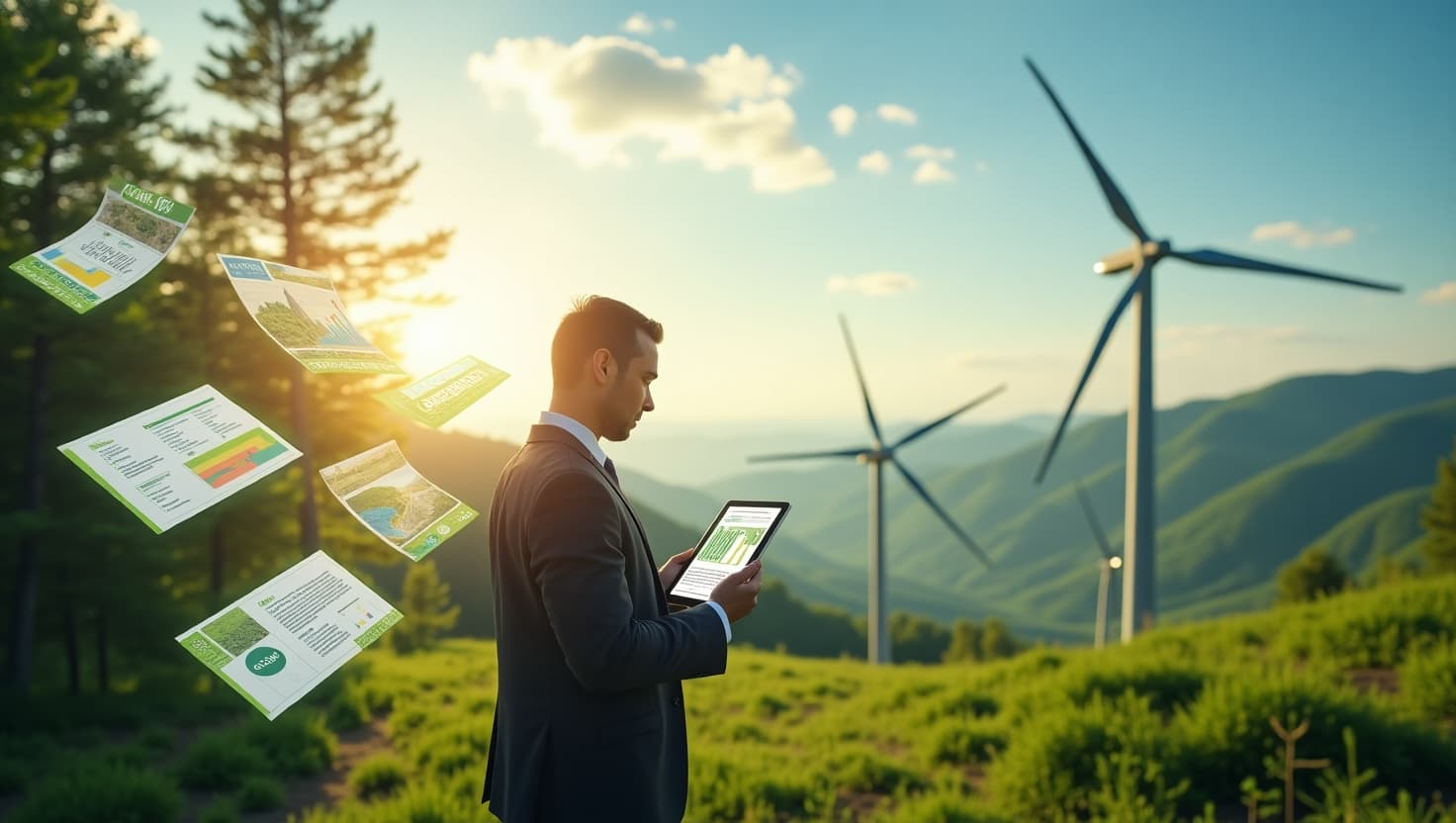
Unlocking the Potential of a Low Carbon Economy
- Carbon Credits
- low carbon economy
- Sustainability
Table of Contents
- Rethinking Growth: The Low Carbon Economy
- Why Shift Matters: Economic and Environmental Gains
- Steps Toward a Sustainable Future
- Success in Action: Real-World Transformations
- Common Questions About Low Carbon Transitions
- Taking Your First Steps
Rethinking Growth: The Low Carbon Economy
Imagine an economy where growth no longer depends on heavy carbon emissions but thrives on innovation and sustainability. This is the essence of a low carbon economy. It’s not just a buzzword but a necessary shift to reduce environmental impact while maintaining economic vitality. The low carbon economy focuses on minimizing carbon footprints across industries, encouraging cleaner energy, and fostering green technologies.
Transitioning to this model means reimagining how businesses operate and how consumers make choices. The keyword "low carbon economy" naturally fits into this vision as the foundation for future economic policies and corporate strategies. For instance, companies like Tesla are leading the charge by producing electric vehicles that not only reduce emissions but also promote a shift in consumer behavior towards sustainable transportation.
Why Shift Matters: Economic and Environmental Gains
The benefits of moving toward a low carbon economy extend beyond environmental preservation. Economically, it opens doors to new markets and job opportunities in renewable energy, energy efficiency, and sustainable infrastructure. For example, the solar energy sector has seen exponential growth, creating thousands of jobs while providing clean energy solutions. Environmentally, it helps curb climate change by lowering greenhouse gas emissions.
This shift also enhances energy security by reducing dependence on fossil fuels. Countries and companies investing in low carbon solutions often see improved resilience against volatile energy prices. The low carbon economy is a win-win scenario, balancing growth with responsibility. Moreover, businesses that adopt sustainable practices often enjoy enhanced brand loyalty and consumer trust, as seen with brands like Patagonia, which emphasizes environmental responsibility in its operations.
Steps Toward a Sustainable Future
Adopting a low carbon economy involves several strategic steps:
- Assessing current carbon emissions and identifying reduction opportunities. Tools like carbon footprint calculators can help individuals and businesses measure their impact.
- Investing in renewable energy sources like solar, wind, and hydro. Companies can partner with providers like SunPower to transition to solar energy.
- Implementing energy-efficient technologies in manufacturing and buildings. Upgrading to LED lighting and energy-efficient appliances can significantly reduce energy consumption.
- Encouraging sustainable transportation options such as electric vehicles and public transit. Cities can invest in electric bus fleets and bike-sharing programs to promote greener commuting.
- Supporting policies that incentivize carbon reduction and penalize excessive emissions. Advocacy for local and national legislation can drive systemic change.
Each step requires collaboration between governments, businesses, and communities to be effective. The process is gradual but essential for long-term sustainability.
Success in Action: Real-World Transformations
Consider a European city that revamped its public transport system to electric buses and expanded bike lanes. Over five years, it reduced urban carbon emissions by 30%, improved air quality, and boosted local business through increased foot traffic. This transformation not only benefited the environment but also enhanced the quality of life for residents.
Another example is a tech company that switched to 100% renewable energy for its data centers. This move not only cut their carbon footprint but also reduced operational costs, proving that environmental responsibility can align with profitability. Companies like Google have made similar commitments, showcasing that a low carbon economy is not theoretical but actively shaping industries and communities worldwide.
Common Questions About Low Carbon Transitions
What challenges do companies face when shifting to a low carbon economy? Initial costs and infrastructure changes can be barriers, but long-term savings and regulatory incentives often offset these. Many companies find that investing in energy efficiency pays off quickly in reduced utility bills.
How can individuals contribute? Simple actions like reducing energy use, supporting green products, and advocating for sustainable policies make a difference. Individuals can also participate in community clean-up events or support local farmers' markets to promote sustainability.
Is the low carbon economy achievable globally? While progress varies, international cooperation and technology sharing are accelerating adoption across regions. Initiatives like the Paris Agreement demonstrate a collective commitment to reducing emissions and fostering a low carbon economy.
Taking Your First Steps
Starting your journey toward a low carbon economy can begin with small but impactful actions. Evaluate your energy consumption, explore renewable options, and stay informed about sustainable practices. Consider switching to a green energy provider or installing solar panels at home.
Engage with communities and experts to share knowledge and resources. For ongoing support and updates, consider joining our WhatsApp community: Join our WhatsApp community.
Together, we can build a resilient, prosperous future grounded in the principles of a low carbon economy.