Unlocking the Power of Carbon Accounting for Your Business
- carbon accounting
- Carbon Credits
- Sustainability
Table of Contents
- Why Carbon Accounting Matters
- How Businesses Track Emissions
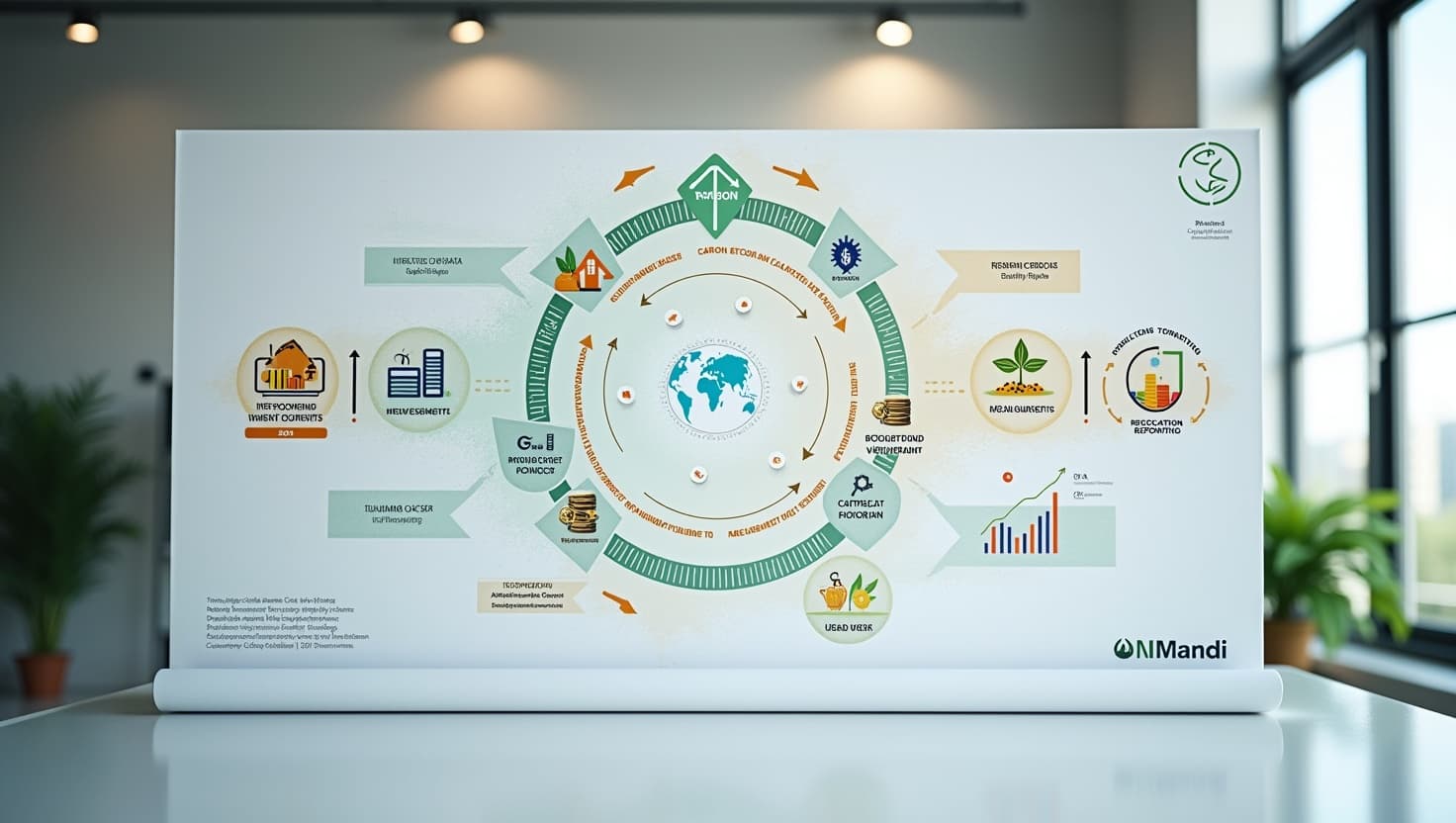
- Steps to Implement Carbon Accounting
- Real-World Success Stories
- Common Questions About Carbon Accounting
- Taking Action Today
Why Carbon Accounting Matters
Carbon accounting works differently than most people expect. It’s not just about tallying emissions; it’s about understanding where they come from and how to reduce them effectively. For businesses, this means gaining clarity on their environmental impact and identifying opportunities to improve sustainability.
Tracking carbon emissions accurately can influence everything from operational decisions to brand reputation. Companies that embrace carbon accounting often find themselves better prepared for regulations and more attractive to eco-conscious customers. For instance, firms like Patagonia have leveraged their carbon accounting efforts to enhance their brand image, showcasing their commitment to sustainability. The process helps transform abstract environmental goals into concrete, measurable actions, allowing businesses to align their operations with global sustainability targets.
How Businesses Track Emissions
Businesses use carbon accounting to measure greenhouse gases produced directly and indirectly by their activities. This includes emissions from energy use, transportation, waste, and supply chains. The process involves collecting data from various sources and converting it into carbon dioxide equivalents (CO2e) to create a comprehensive emissions profile.
Unlike simple energy audits, carbon accounting requires a systematic approach to ensure accuracy and consistency. Many companies adopt internationally recognized standards like the Greenhouse Gas Protocol to guide their calculations. This helps maintain transparency and comparability across industries. For example, companies like Unilever have adopted these standards, allowing them to benchmark their emissions against industry peers effectively.
Steps to Implement Carbon Accounting
Implementing carbon accounting can seem daunting, but breaking it down into clear steps makes it manageable:
- Define the scope: Decide which emissions sources to include, such as direct operations and supply chain impacts.
- Collect data: Gather energy bills, fuel usage, waste records, and other relevant information. Utilize software tools like Carbon Trust’s Footprint Calculator to streamline data collection.
- Calculate emissions: Use standardized conversion factors to translate data into CO2e. Online calculators can assist in this process.
- Analyze results: Identify major emission sources and trends. Consider using visualization tools to present data clearly.
- Report findings: Share results internally and externally to drive accountability. Regular updates can foster a culture of transparency.
- Develop reduction strategies: Use insights to set targets and implement changes. Engage employees in brainstorming sessions to generate innovative ideas for reducing emissions.
This structured approach ensures that carbon accounting delivers actionable insights rather than just numbers, making it a vital part of any sustainability strategy.
Real-World Success Stories
Last year, a mid-sized manufacturing company reduced emissions by 40%. Their approach centered on detailed carbon accounting that revealed unexpected hotspots in their supply chain. By switching to local suppliers and optimizing logistics, they cut transportation emissions significantly. This not only reduced their carbon footprint but also strengthened local economic ties.
Another example is a retail chain that used carbon accounting to benchmark stores’ energy use. This data led to targeted upgrades in lighting and HVAC systems, resulting in a 25% reduction in energy-related emissions within a year. These cases show how carbon accounting can uncover practical opportunities for improvement. Companies like IKEA have also implemented similar strategies, showcasing the effectiveness of carbon accounting in driving sustainability initiatives.
Common Questions About Carbon Accounting
What makes carbon accounting credible? It depends on using verified data and following accepted protocols. Transparency in methodology is key to building trust.
How often should businesses update their carbon accounting? Ideally, it should be an ongoing process with annual reviews to track progress and adjust strategies. Regular updates can help maintain momentum in sustainability efforts.
Is carbon accounting expensive? Costs vary, but many tools and consultants offer scalable solutions suitable for small to large businesses. Free resources are also available for startups looking to begin their carbon accounting journey.
Taking Action Today
Understanding carbon accounting is the first step toward meaningful sustainability. Start by assessing your current emissions and exploring tools that fit your business size and sector. Engage your team and stakeholders to build a culture of environmental responsibility.
Join conversations with peers and experts to stay informed and inspired. Join our WhatsApp community to connect and share insights.
Taking action on carbon accounting not only benefits the planet but can also enhance your business resilience and reputation. The time to start is now. By implementing these strategies, you can position your business as a leader in sustainability, paving the way for a greener future.