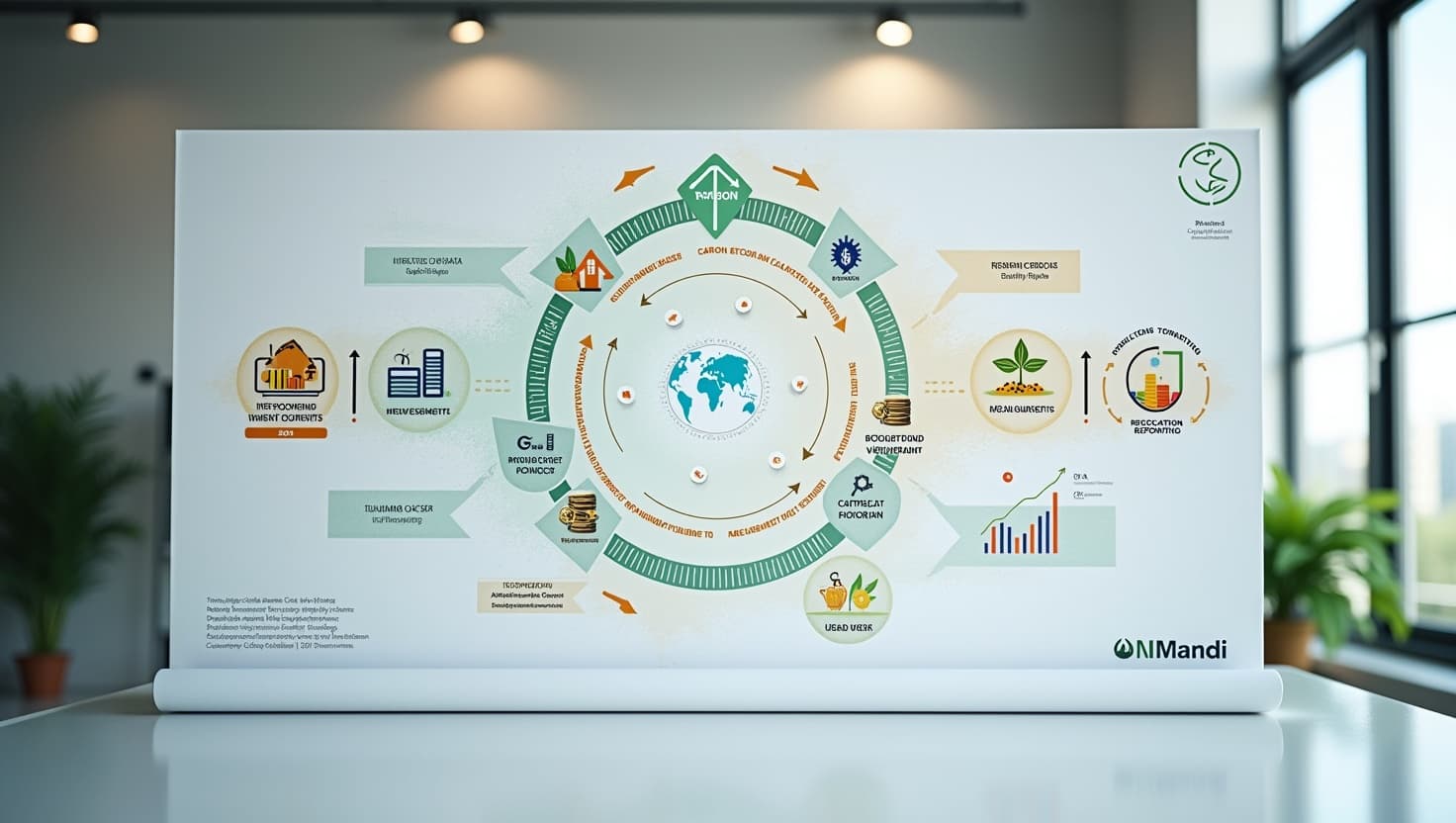
Unlocking the Power of Carbon Accounting for Your Business
- carbon accounting
- Carbon Credits
- Sustainability
Table of Contents
- Why Carbon Accounting Matters
- How Businesses Track Emissions
- Steps to Implement Carbon Accounting
- Real-World Success Stories
- Common Questions About Carbon Accounting
- Taking Action Today
Why Carbon Accounting Matters
Carbon accounting works differently than most people expect. It’s not just about tallying emissions; it’s about understanding where your carbon footprint lies and how to reduce it strategically. For businesses, this means gaining clarity on their environmental impact and identifying opportunities to improve sustainability.
Tracking carbon emissions accurately can influence everything from operational efficiency to brand reputation. Companies that embrace carbon accounting often find they can cut costs and meet regulatory requirements more easily. For instance, organizations like Microsoft have set ambitious carbon-negative goals, showcasing how effective carbon accounting can lead to significant environmental benefits and enhanced corporate image. Plus, it’s a critical step toward participating in carbon markets and offset programs, which can provide additional revenue streams.
How Businesses Track Emissions
The process of carbon accounting involves gathering data from various sources within a company. This includes energy use, transportation, waste management, and supply chain activities. Each source contributes to the overall carbon footprint, and understanding these details helps businesses prioritize actions.
Rather than relying on guesswork, companies use standardized frameworks and software tools to measure emissions. Tools like the Carbon Trust’s Footprint Calculator or the GHG Protocol’s suite of resources help convert raw data into carbon dioxide equivalent (CO2e) values, making it easier to compare and report results. This methodical approach ensures transparency and accuracy, which are essential for credible carbon accounting. Additionally, integrating IoT devices can provide real-time data, enhancing the accuracy of emissions tracking.
Steps to Implement Carbon Accounting
Implementing carbon accounting can be broken down into clear steps:
- Define the scope: Decide which parts of your business to include, such as direct emissions from operations and indirect emissions from suppliers. Consider using tools like the GHG Protocol to help define boundaries.
- Collect data: Gather energy bills, fuel usage, travel logs, and other relevant information. Utilize software solutions like SAP’s Environment, Health, and Safety Management to streamline data collection.
- Calculate emissions: Use recognized standards like the Greenhouse Gas Protocol to convert data into CO2e. Employing calculators specifically designed for your industry can enhance accuracy.
- Analyze results: Identify major emission sources and opportunities for reduction. Conduct scenario analysis to understand the impact of potential changes.
- Report and verify: Share findings internally and externally, and consider third-party verification for credibility. Platforms like CDP can facilitate transparent reporting.
Following these steps helps businesses build a reliable carbon accounting system that supports sustainability goals and fosters a culture of accountability.
Real-World Success Stories
Last year, a mid-sized manufacturing company reduced emissions by 40%. Their approach centered on detailed carbon accounting that revealed inefficiencies in their energy use and logistics. By switching to renewable energy sources and optimizing delivery routes, they cut costs and improved their environmental footprint.
Another example is a retail chain that used carbon accounting to engage suppliers in reducing emissions. This collaborative effort not only lowered the overall footprint but also strengthened supplier relationships and enhanced brand loyalty among eco-conscious customers. Companies like Unilever have successfully implemented similar strategies, showcasing the power of collaboration in carbon reduction efforts.
Common Questions About Carbon Accounting
What exactly counts as an emission source? Emissions come from direct activities like fuel combustion and indirect ones such as purchased electricity or outsourced services.
How often should carbon accounting be done? Many companies perform annual assessments, but more frequent tracking can provide better insights for ongoing improvements. Monthly or quarterly reviews can help in identifying trends and making timely adjustments.
Is carbon accounting expensive? Initial setup may require investment, but the long-term benefits in efficiency and compliance often outweigh costs. Many businesses find that the savings from reduced energy use and waste management significantly offset the initial investment.
Taking Action Today
If you’re ready to start with carbon accounting, begin by gathering your energy and operational data. Consider using specialized software or consulting experts to guide the process.
Engage your team and suppliers to build a culture of sustainability. And don’t forget to connect with peers and experts for support. Join our WhatsApp community to share insights and stay updated on best practices.
Carbon accounting is more than a reporting tool; it’s a pathway to smarter business decisions and a healthier planet. By taking proactive steps today, your business can lead the way in sustainability and make a lasting impact on the environment.