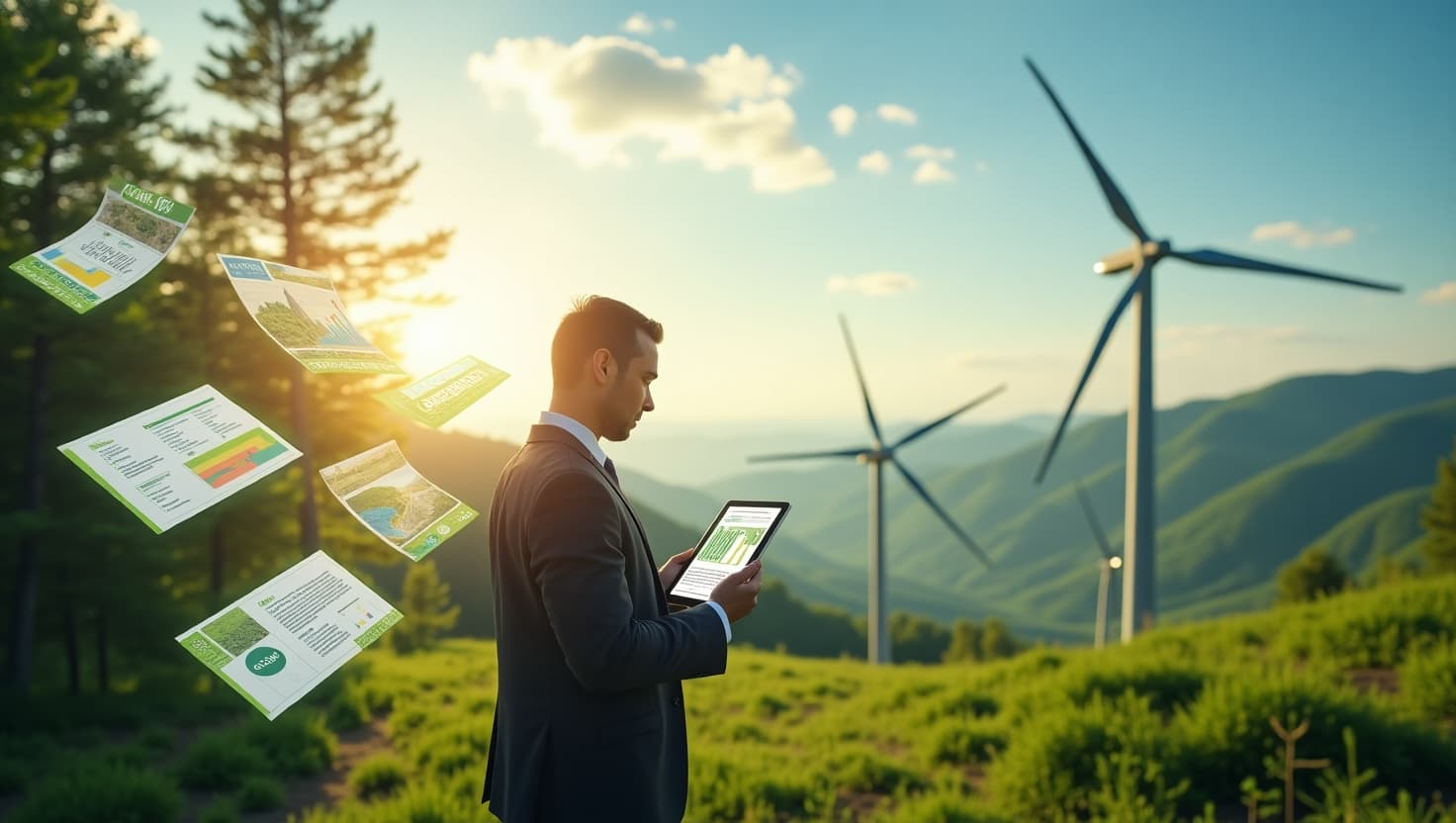
Unlocking the Power of Carbon Offset Projects
- Carbon Credits
- carbon offset projects
- Sustainability
Table of Contents
- Why Carbon Offset Projects Matter
- How These Projects Actually Work
- Real-World Success Stories
- Common Questions About Carbon Offsets
- Taking Your First Steps
Why Carbon Offset Projects Matter
Carbon offset projects often get misunderstood. Many think they’re just a way to buy a pass to pollute, but the reality is quite different. These projects represent real, measurable efforts to reduce or capture greenhouse gases. Whether it’s planting trees, supporting renewable energy, or improving energy efficiency, carbon offset projects help balance out emissions that are otherwise hard to eliminate.
For businesses and individuals alike, engaging with carbon offset projects is a practical way to take responsibility for their carbon footprint. The keyword here is "practical"—these projects provide tangible environmental benefits while supporting sustainable development goals. For instance, companies like Ecosia use their profits from search ads to plant trees, directly contributing to carbon offset initiatives while promoting biodiversity.
How These Projects Actually Work
At their core, carbon offset projects generate carbon credits by reducing emissions or capturing carbon dioxide. Each credit typically represents one metric ton of CO2 equivalent avoided or removed from the atmosphere. Organizations can purchase these credits to compensate for their own emissions.
The process involves several steps:
- Project design and validation by recognized standards, such as the Verified Carbon Standard (VCS) or the Gold Standard.
- Implementation and monitoring of emission reductions, ensuring that the project meets its goals.
- Verification by independent third parties to ensure credibility and transparency.
- Issuance of carbon credits that can be traded or retired, allowing businesses to offset their emissions effectively.
This system ensures transparency and accountability, making carbon offset projects a reliable tool in the fight against climate change. Companies like Terrapass offer a variety of projects, from methane capture to renewable energy, allowing consumers to choose initiatives that resonate with them.
Real-World Success Stories
Consider a community in Southeast Asia that implemented a reforestation project. Over five years, they planted thousands of native trees, restoring degraded land and sequestering significant amounts of carbon. This project not only generated carbon credits but also improved local biodiversity and provided jobs, showcasing the multifaceted benefits of carbon offset projects.
Another example is a wind farm in South America that replaced fossil fuel energy with clean power. The project’s carbon credits helped fund further renewable initiatives and attracted investment from companies aiming to meet their sustainability targets. This demonstrates how carbon offset projects can deliver environmental, social, and economic benefits simultaneously, creating a win-win scenario for all stakeholders involved.
Common Questions About Carbon Offsets
People often ask: Are carbon offset projects really effective? The answer depends on the project’s quality and verification. High-standard projects ensure that offsets represent genuine emission reductions. For example, projects certified by the Climate Action Reserve are known for their rigorous standards.
Another frequent question is how to choose the right project. It’s important to look for transparency, third-party certification, and alignment with your values or business goals. Websites like Gold Standard provide a directory of certified projects, making it easier for individuals and businesses to find suitable options.
Finally, some wonder if offsets replace direct emission cuts. They don’t. Offsets complement reduction efforts but should not be a substitute for reducing your own emissions. It’s crucial to adopt a holistic approach to sustainability that includes both direct reductions and offsets.
Taking Your First Steps
Getting involved with carbon offset projects starts with understanding your own emissions footprint. Tools like the Carbon Footprint Calculator can help you assess your impact. From there, you can explore certified projects that align with your priorities.
Businesses can integrate offsets into their sustainability strategies, while individuals can support projects through trusted platforms. For ongoing support and community insights, consider joining groups like our WhatsApp community.
Join our WhatsApp community to connect with others passionate about carbon markets and offset projects.
Taking action today helps build a cleaner, more sustainable future for all. By participating in carbon offset projects, you contribute to a global movement that prioritizes environmental health and social equity.