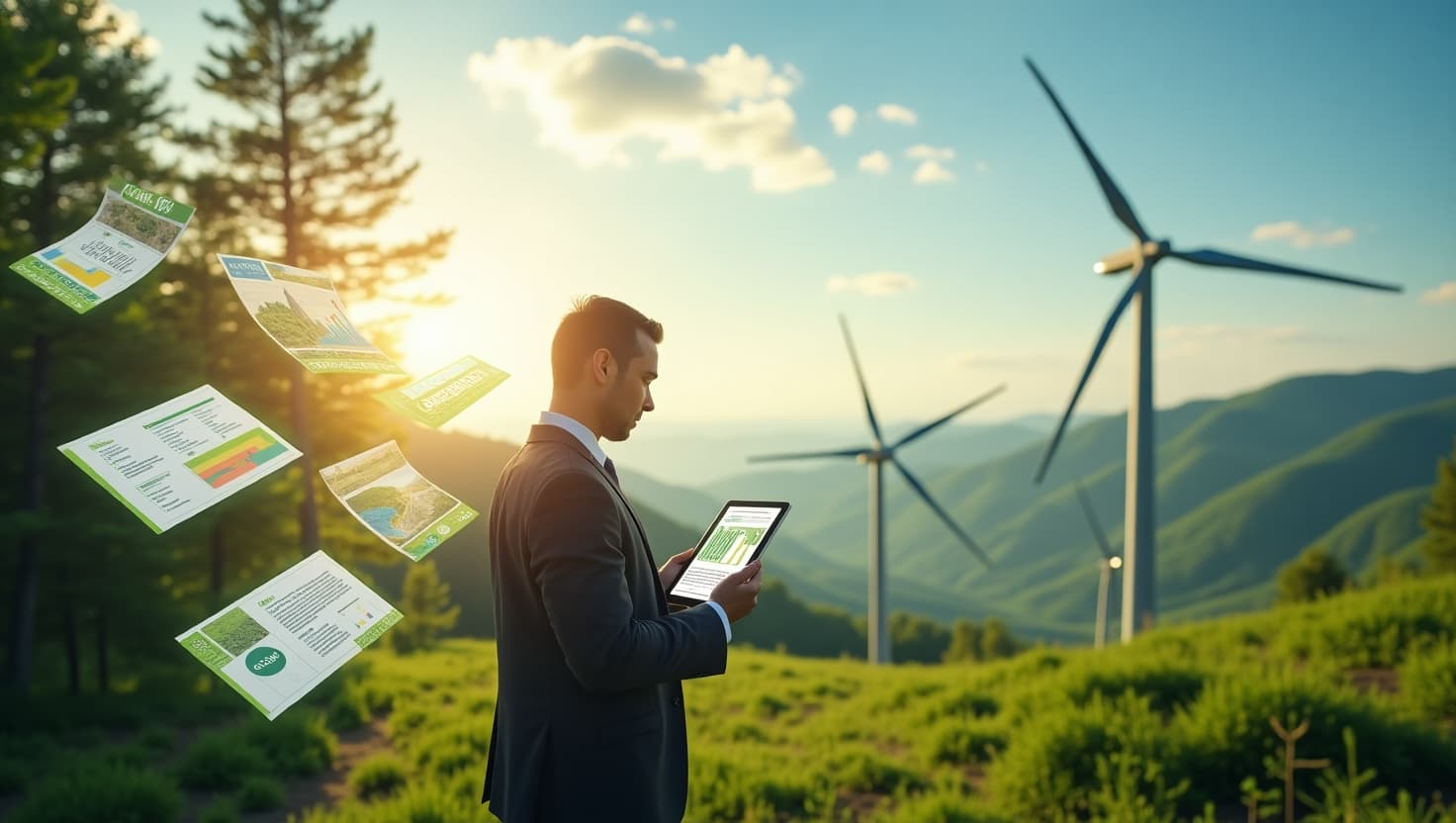
VCM Explained: Unlocking the Power of Voluntary Carbon Markets
- Carbon Credits
- Sustainability
- vcm explained
Table of Contents
- Understanding Voluntary Carbon Markets
- Why VCM Matters for Businesses
- How the VCM Process Works
- Real-World Success Stories
- Common Questions About VCM
- Taking Your First Steps in VCM
Understanding Voluntary Carbon Markets
Imagine a marketplace where companies and individuals can buy and sell carbon credits to offset their emissions voluntarily. This is the essence of voluntary carbon markets, or VCM. Unlike regulated carbon markets, VCM operates on a voluntary basis, allowing participants to take climate action beyond legal requirements. When we talk about vcm explained, it’s about understanding this flexible system that supports global emission reductions through verified projects.
VCM plays a crucial role in the fight against climate change by enabling funding for projects that reduce or remove greenhouse gases. These projects range from reforestation to renewable energy installations. The voluntary nature means anyone can participate, making it a dynamic and growing part of the carbon economy.
Why VCM Matters for Businesses
Businesses today face increasing pressure to demonstrate environmental responsibility. Voluntary carbon markets offer a practical way to meet sustainability goals and appeal to eco-conscious consumers. By purchasing carbon credits, companies can claim carbon neutrality or net-zero status while supporting impactful projects worldwide.
Beyond reputation, VCM participation can unlock new business opportunities and partnerships. It also helps companies prepare for future regulations by building experience in carbon accounting and offsetting. The value of VCM lies not just in emissions reduction but in fostering innovation and corporate accountability.
How the VCM Process Works
Understanding the steps involved in voluntary carbon markets clarifies how vcm explained translates into action:
- Project Development: A project that reduces or removes carbon emissions is designed and validated.
- Verification: Independent auditors verify the project’s emission reductions.
- Credit Issuance: Verified carbon credits are issued, each representing one metric ton of CO2 equivalent reduced or removed.
- Trading: Buyers purchase credits through brokers or platforms.
- Retirement: Credits are retired to ensure they are not reused, confirming the offset.
This process ensures transparency and credibility, which are essential for trust in voluntary carbon markets.
Real-World Success Stories
Consider a renewable energy project in Southeast Asia that replaced coal power with solar farms. By selling carbon credits through VCM, the project secured funding to expand operations, reducing thousands of tons of CO2 annually. Another example is a forest conservation initiative in South America that prevented deforestation, preserving biodiversity and sequestering carbon.
These cases highlight how voluntary carbon markets channel investments into projects that deliver measurable environmental benefits. They also demonstrate the diverse range of solutions supported by VCM, from technology to nature-based approaches.
Common Questions About VCM
Is VCM reliable for genuine climate impact? Yes, when projects undergo rigorous verification and credits are transparently tracked, VCM can deliver real emission reductions.
How do I know if a carbon credit is legitimate? Look for credits certified by recognized standards such as Verra or Gold Standard, which ensure quality and additionality.
Can small businesses participate? Absolutely. VCM is accessible to organizations of all sizes, offering flexible options to offset emissions.
Taking Your First Steps in VCM
Getting started with voluntary carbon markets involves assessing your carbon footprint and identifying offset needs. Partnering with reputable brokers or platforms can simplify the purchase process. Engaging with communities like ours can provide valuable insights and support.
Explore more about carbon markets and connect with peers by joining our WhatsApp community. Taking action today helps build a sustainable future.
For deeper understanding, check out related topics on Carbonmandi.com and stay informed about evolving carbon market trends.