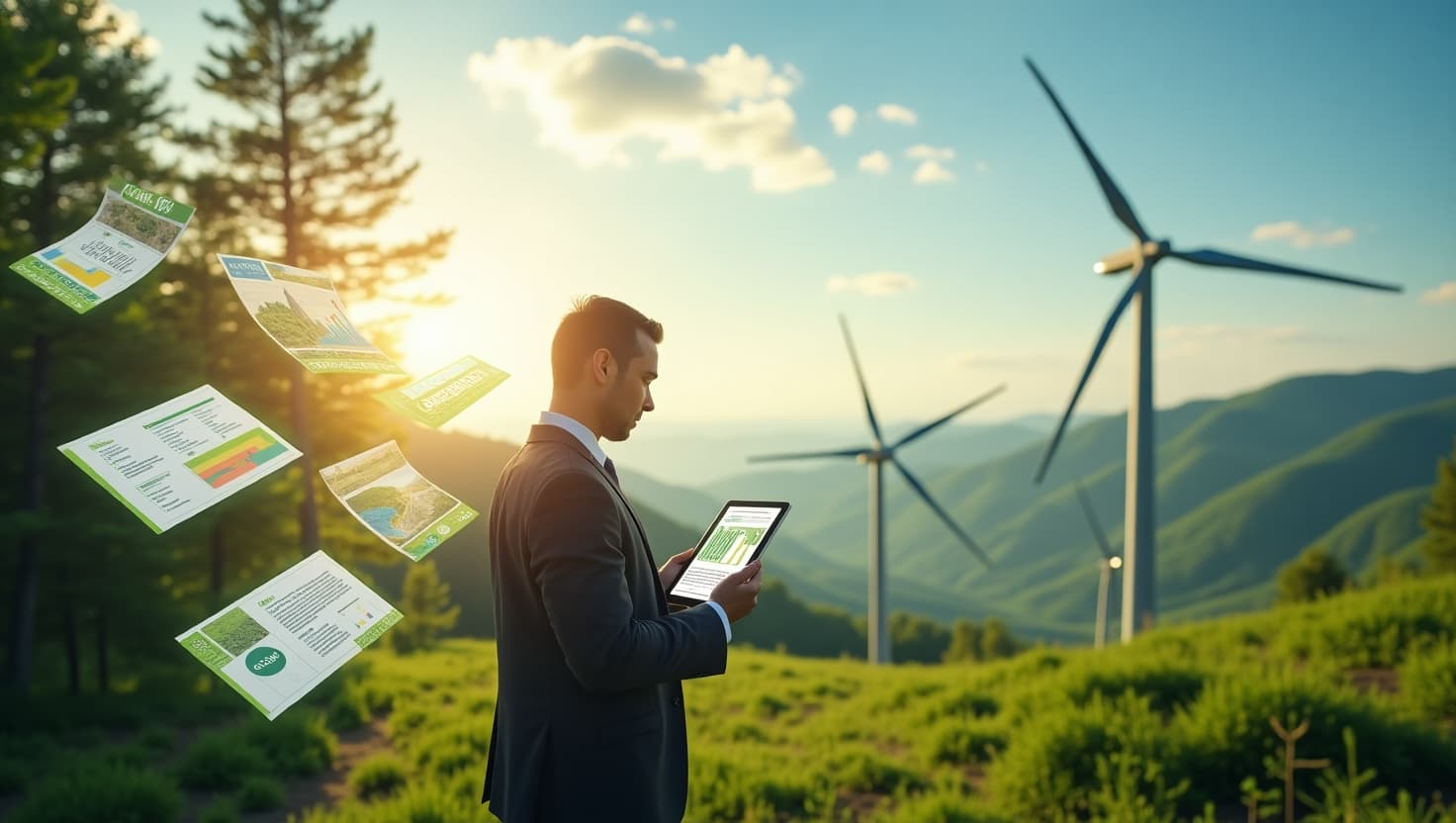
Exploring Real Examples of Carbon Credit Projects
- Carbon Credits
- Sustainability
- undefined
Table of Contents
- What Are Carbon Credit Projects?
- How Different Projects Cut Carbon
- Real-World Success Stories
- Common Questions About Carbon Credits
- Taking Your First Step
What Are Carbon Credit Projects?
Carbon credits are more than just numbers on a ledger; they represent real-world efforts to reduce greenhouse gases. Examples of carbon credit projects vary widely, but they all share one goal: to lower carbon emissions or capture carbon from the atmosphere. These projects can range from planting trees to installing renewable energy systems.
For instance, a project might involve the establishment of a solar farm that generates clean energy while displacing fossil fuel use. Understanding these projects helps businesses and individuals see how their investments translate into environmental impact. Carbon credit projects create measurable benefits, making them a key part of global climate strategies. They also serve as a bridge between economic growth and environmental stewardship, showing that sustainability can be profitable.
How Different Projects Cut Carbon
Carbon credit projects come in many forms, each with unique methods to reduce emissions. Renewable energy projects, like wind farms and solar arrays, replace fossil fuels with clean power. For example, a solar energy project in California has been instrumental in reducing reliance on coal, showcasing how transitioning to renewable sources can significantly cut carbon footprints. Forest conservation projects protect existing trees that absorb CO2, while reforestation efforts, such as those led by organizations like One Tree Planted, plant new forests to capture carbon.
Other projects include methane capture from landfills or agricultural waste, which prevents potent greenhouse gases from entering the atmosphere. A notable example is the landfill gas-to-energy project in New York, which captures methane and converts it into usable energy, thus reducing overall emissions. Sustainable agriculture practices also qualify, improving soil health and reducing emissions from farming activities. Techniques such as no-till farming and cover cropping not only enhance soil carbon storage but also improve crop yields.
Real-World Success Stories
Consider a wind energy project in Texas that generates clean electricity, offsetting emissions from coal plants. This project sells carbon credits to companies aiming to meet their climate goals, such as Google, which has committed to operating on 24/7 carbon-free energy. Another example is a reforestation initiative in Brazil, where thousands of hectares of degraded land are restored, absorbing millions of tons of CO2 annually. This project not only contributes to carbon sequestration but also supports local biodiversity and community livelihoods.
These examples show how carbon credit projects can be both environmentally effective and economically viable. They provide a blueprint for scaling up efforts worldwide, demonstrating that collaborative approaches can yield significant results in the fight against climate change.
Common Questions About Carbon Credits
What ensures a carbon credit project is credible? Verification by independent third parties is crucial. Projects must demonstrate real, additional, and permanent emission reductions. How do buyers know the credits are not double-counted? Registries track credits to prevent this, with platforms like Verra and Gold Standard leading the way in ensuring transparency.
Are all carbon credit projects equal? No, the impact varies by project type and location. Buyers should consider co-benefits like biodiversity or community support when choosing credits. Projects that incorporate local communities often yield greater social benefits, making them more attractive to socially responsible investors.
Taking Your First Step
Getting involved with carbon credit projects starts with understanding your goals and researching available options. Whether you're a business or an individual, look for projects verified by recognized standards. Engage with platforms like Carbonmandi.com to explore verified projects that align with your values. Additionally, consider investing in projects that focus on renewable energy or sustainable agriculture, as these often provide both environmental and economic returns.
Join discussions and stay updated by connecting with peers in the carbon market. Join our WhatsApp community to share insights and learn from experts. Exploring examples of carbon credit projects reveals the tangible ways we can combat climate change together. Start your journey today and contribute to a greener future, whether through direct investment or by supporting policies that promote sustainable practices.