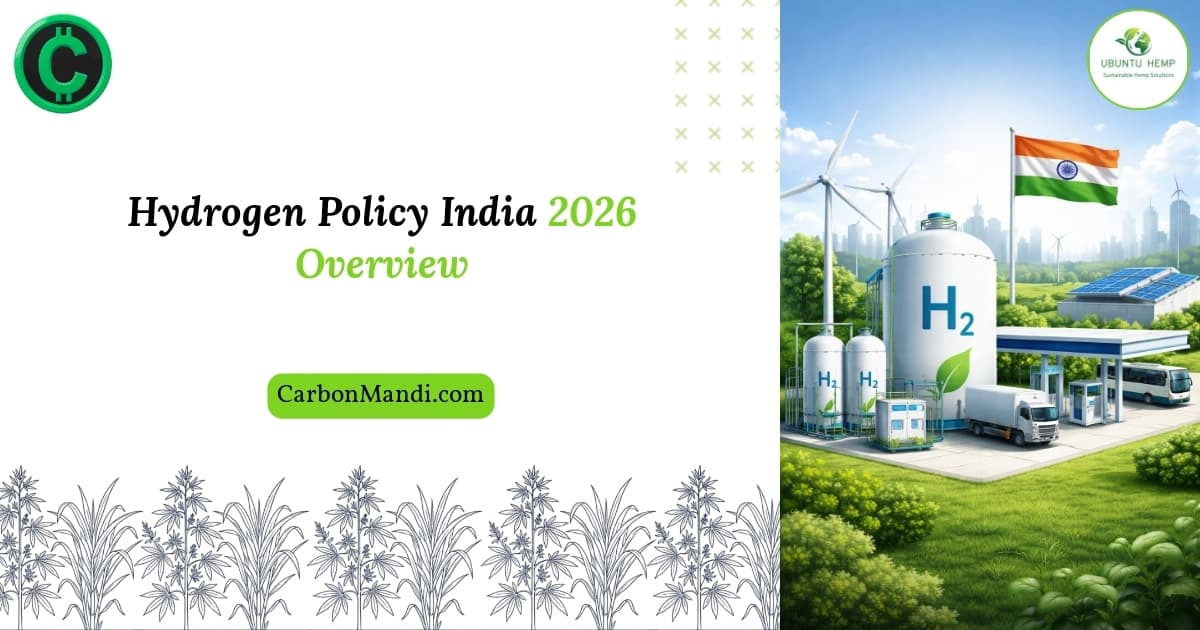
Hydrogen Policy India 2026: Your Essential Guide
- Carbon Credits
- Hydrogen Policy India 2026: Complete Guide for India 2026
- Sustainability
Table of Contents
- Setting the Stage for Hydrogen in India
- Strategic Moves in the 2026 Policy
- How India Plans to Implement Hydrogen Solutions
- Success Stories Fueling Confidence
- Questions You Might Have
- Taking Action and Staying Connected
Setting the Stage for Hydrogen in India
India’s energy landscape is evolving rapidly, and hydrogen is becoming a key player in this transformation. The Hydrogen Policy India 2026: Complete Guide for India 2026 outlines a bold vision to integrate hydrogen as a clean fuel alternative. This policy is not just about energy; it’s about creating a sustainable future that balances economic growth with environmental responsibility. The government’s focus on green hydrogen production, infrastructure development, and market incentives signals a new era for India’s energy sector.
The policy aims to reduce dependence on fossil fuels and cut carbon emissions significantly by 2030. With India’s vast renewable energy potential, hydrogen offers a promising pathway to decarbonize industries like steel, refining, and transportation. This guide will walk you through the key elements shaping this ambitious agenda.
Strategic Moves in the 2026 Policy
The 2026 hydrogen policy is structured around several strategic pillars. First, it emphasizes scaling up green hydrogen production by leveraging solar and wind power. The government plans to support large-scale projects through subsidies and public-private partnerships. Second, it focuses on creating a robust supply chain, including storage, transportation, and distribution networks tailored for hydrogen.
Another critical aspect is the promotion of research and development to improve hydrogen technologies and reduce costs. The policy also encourages international collaboration to adopt best practices and attract investments. These strategic moves are designed to position India as a global leader in hydrogen energy by 2030.
How India Plans to Implement Hydrogen Solutions
Implementation is where policy meets reality. India’s approach involves a phased rollout starting with pilot projects in industrial hubs and transport corridors. The government has identified priority sectors such as fertilizer manufacturing, steel production, and heavy-duty transport for early hydrogen adoption.
The process includes:
- Establishing hydrogen production facilities powered by renewables.
- Developing infrastructure for safe storage and efficient distribution.
- Integrating hydrogen into existing industrial processes and transport fleets.
- Monitoring and evaluating pilot outcomes to refine strategies.
This step-by-step method ensures practical learning and scalability. The policy also outlines incentives like tax breaks and low-interest loans to encourage private sector participation.
Success Stories Fueling Confidence
Real-world examples help illustrate the policy’s potential. For instance, a steel plant in Odisha recently integrated green hydrogen into its production line, reducing carbon emissions by 30%. This project was supported by government grants aligned with the 2026 policy framework.
Similarly, a transport company in Maharashtra launched a fleet of hydrogen-powered buses, cutting fuel costs and emissions simultaneously. These success stories demonstrate how the Hydrogen Policy India 2026: Complete Guide for India 2026 is not just theoretical but actively shaping cleaner industrial and transport practices.
Questions You Might Have
What about the cost of hydrogen compared to traditional fuels? While green hydrogen is currently more expensive, the policy’s focus on scaling production and technology innovation aims to bring costs down significantly by 2030.
Is the infrastructure ready? The policy acknowledges current gaps and prioritizes infrastructure development as a core objective.
How will this affect jobs? The hydrogen economy is expected to create new employment opportunities in manufacturing, maintenance, and research sectors.
Taking Action and Staying Connected
If you’re interested in how hydrogen can impact your business or community, start by exploring pilot projects and government incentives available in your region. Staying informed and connected is key. Join discussions and updates through platforms like Join our WhatsApp community.
India’s hydrogen journey is just beginning, and your participation can help shape a cleaner, more sustainable future.
Carbonmandi building this With the advisory of Ubuntuhemp