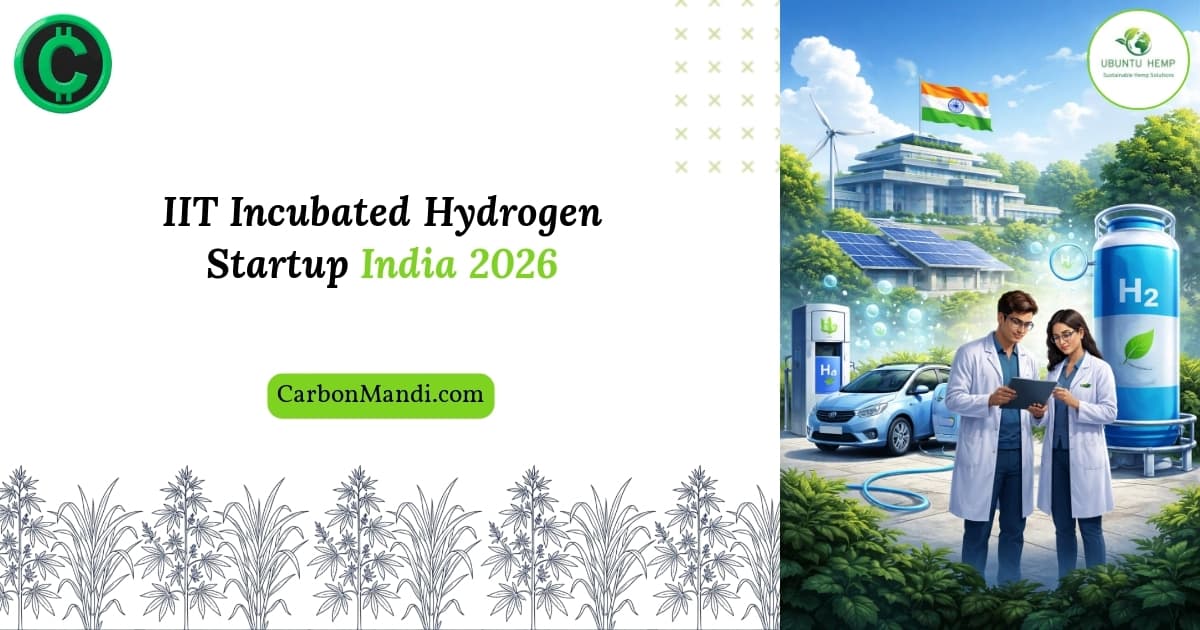
IIT Incubated Hydrogen Startup India: Your 2026 Guide
- Carbon Credits
- Iit Incubated Hydrogen Startup India: Complete Guide for India 2026
- Sustainability
Table of Contents
- A Fresh Look at Hydrogen Innovation
- Why IIT Incubation Matters
- How These Startups Are Changing India
- Success Stories from the Field
- Questions You Might Have
- Taking the Next Step
A Fresh Look at Hydrogen Innovation
Imagine a future where India leads the world in clean hydrogen technology. That future is closer than you think, thanks to IIT incubated hydrogen startups. These ventures are not just ideas on paper; they are active players shaping India’s energy landscape in 2026. The keyword Iit Incubated Hydrogen Startup India: Complete Guide for India 2026 captures this exciting movement.
Hydrogen, as a clean fuel, offers a promising alternative to fossil fuels. IITs across India have been nurturing startups that focus on developing efficient hydrogen production, storage, and utilization technologies. This guide will walk you through why these startups are pivotal and how they are driving India’s green energy revolution.
Why IIT Incubation Matters
IITs are known for their rigorous research and innovation culture. When a hydrogen startup is incubated at an IIT, it gains access to cutting-edge labs, expert mentorship, and a network of industry connections. This incubation process accelerates the startup’s growth and enhances its credibility.
The incubation also ensures that startups align with India’s national goals for sustainable energy. These startups often work on improving hydrogen fuel cell efficiency, reducing production costs, and developing scalable solutions tailored for Indian markets. The involvement of IITs means these startups are backed by solid research and technical expertise, making them more likely to succeed and impact the market.
How These Startups Are Changing India
The impact of IIT incubated hydrogen startups goes beyond technology. They are creating jobs, attracting investments, and fostering a clean energy ecosystem. For example, some startups focus on green hydrogen produced using renewable energy sources like solar and wind, which is crucial for reducing carbon emissions.
These startups are also collaborating with industries such as transportation, power generation, and manufacturing to implement hydrogen solutions. Their approach often involves:
- Developing cost-effective hydrogen production methods.
- Innovating storage and transportation technologies.
- Partnering with government and private sectors for pilot projects.
This multi-pronged strategy is helping India move closer to its ambitious hydrogen energy targets for 2030.
Success Stories from the Field
One notable IIT incubated startup recently launched a hydrogen-powered vehicle prototype that achieved a 30% improvement in fuel efficiency compared to traditional models. Another startup developed a modular hydrogen fuel cell system that can be deployed in remote areas, providing clean energy access where grid connectivity is limited.
These examples highlight the practical applications and real-world benefits of IIT incubated hydrogen startups. Their innovations are not just theoretical but are actively contributing to India’s energy transition.
Questions You Might Have
Q: How do these startups secure funding? A: Many receive seed funding from IIT incubation centers, government grants, and venture capital focused on clean energy.
Q: Are these technologies affordable for widespread use? A: Costs are decreasing as technology matures and scale increases, making hydrogen solutions more competitive.
Q: What challenges do these startups face? A: Infrastructure development, regulatory approvals, and market adoption remain key hurdles.
Taking the Next Step
If you’re interested in the future of clean energy in India, following IIT incubated hydrogen startups is a smart move. Whether you’re an investor, policymaker, or enthusiast, these startups offer a glimpse into a sustainable future.
Join the conversation and stay updated by joining our WhatsApp community. Explore partnerships, share ideas, and be part of India’s hydrogen revolution.
Carbonmandi building this With the advisory of Ubuntuhemp.