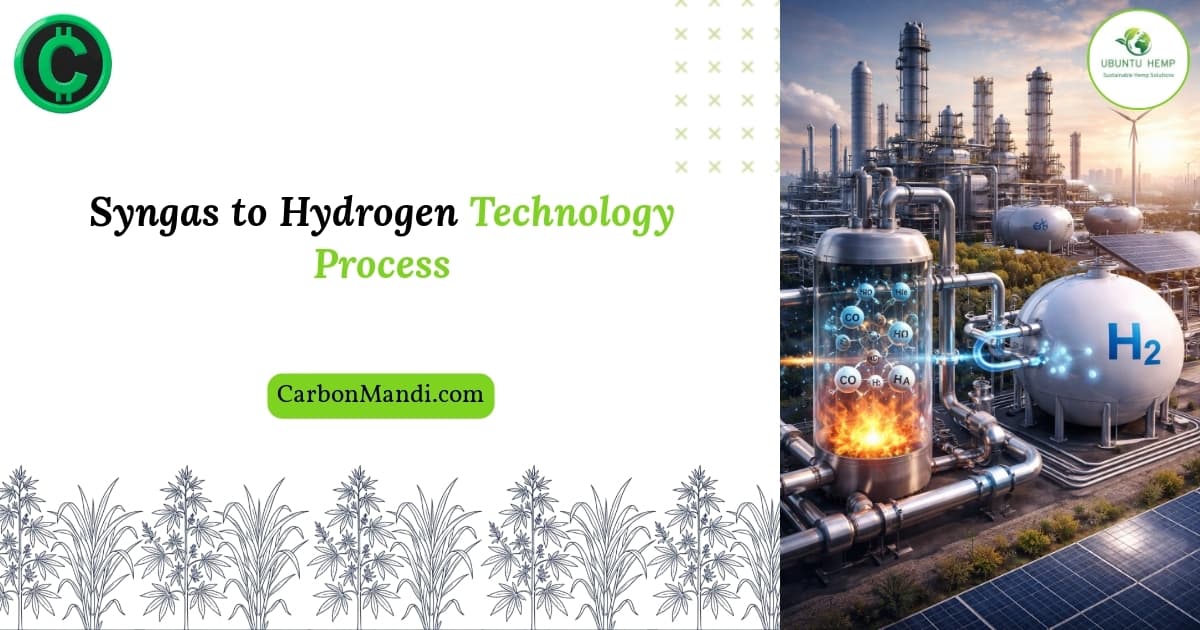
Syngas to Hydrogen Technology: How It Works in Practice
- Carbon Credits
- Sustainability
- Syngas to Hydrogen Technology: How It Works
Table of Contents
- A Fresh Look at Syngas Conversion
- Breaking Down the Process
- Why This Technology Matters
- Real-World Success Stories
- Common Questions Answered
- Next Steps for Enthusiasts
A Fresh Look at Syngas Conversion
Imagine turning a mixture of gases into a clean, efficient fuel source. That’s exactly what syngas to hydrogen technology does. Syngas, a blend primarily of carbon monoxide and hydrogen, is produced from carbon-rich materials like coal, biomass, or natural gas. The magic lies in extracting pure hydrogen from this mix, which can then be used as a clean energy carrier.
This technology is gaining traction because hydrogen is a versatile fuel with zero carbon emissions at the point of use. Understanding syngas to hydrogen technology: how it works is key for anyone interested in the future of energy and carbon markets. For instance, companies like Air Products are investing heavily in this technology, showcasing its potential in various applications.
Breaking Down the Process
The conversion from syngas to hydrogen involves several key steps. First, syngas is generated through gasification or reforming processes. Gasification involves heating carbon-rich materials in a low-oxygen environment, while reforming typically uses steam to convert natural gas into syngas. Then, the hydrogen is separated from other gases, mainly carbon monoxide and carbon dioxide.
One common method is the water-gas shift reaction, where carbon monoxide reacts with steam to produce additional hydrogen and carbon dioxide. This reaction is crucial as it enhances the yield of hydrogen. After this, pressure swing adsorption or membrane separation techniques isolate the hydrogen gas. This multi-step approach ensures high purity hydrogen suitable for fuel cells or industrial use, often exceeding 99.9% purity, making it ideal for sensitive applications.
Why This Technology Matters
Syngas to hydrogen technology offers several advantages that make it a game-changer. It enables the use of diverse feedstocks, including waste biomass, which helps reduce landfill and emissions. The hydrogen produced can power vehicles, generate electricity, or serve as a raw material in chemical industries. For example, companies like Siemens are exploring hydrogen production from renewable sources, emphasizing the importance of this technology in the energy transition.
Moreover, this technology supports carbon capture strategies by isolating CO2 during the process, which can then be stored or utilized. This aligns well with global efforts to reduce greenhouse gases and transition to sustainable energy systems. By integrating syngas to hydrogen technology, industries can significantly lower their carbon footprints while meeting energy demands.
Real-World Success Stories
A notable example is a European energy company that integrated syngas to hydrogen technology into their biomass plant. They managed to produce hydrogen at scale while cutting carbon emissions by 30%. This success was driven by optimizing the water-gas shift reactors and improving gas separation efficiency. Additionally, firms like Linde have successfully implemented similar technologies in their operations, showcasing the scalability and effectiveness of this approach.
In another case, a pilot project in Asia demonstrated how syngas from municipal waste could be converted into hydrogen, providing clean fuel for local transport. These examples highlight the practical benefits and scalability of the technology, paving the way for broader adoption in various sectors.
Common Questions Answered
What feedstocks can be used for syngas production? Typically, coal, natural gas, biomass, and even waste materials are viable sources. This versatility allows for a wide range of applications and sustainability options.
How pure is the hydrogen produced? With advanced separation methods, purity levels can exceed 99.9%, suitable for sensitive applications like fuel cells. This high purity is essential for industries that require stringent quality standards.
Is this technology expensive? Initial setup costs can be high, but operational savings and environmental benefits often justify the investment over time. Many companies find that the long-term savings on energy and emissions reduction offset the initial capital outlay.
Next Steps for Enthusiasts
If you’re intrigued by syngas to hydrogen technology: how it works and want to explore further, consider joining discussions with industry experts. Engage with communities focused on carbon markets and clean energy innovations. You can also attend webinars or workshops hosted by organizations like the Hydrogen Council to deepen your understanding.
For ongoing updates and networking, Join our WhatsApp community. Stay informed and contribute to shaping a sustainable energy future. By actively participating in these discussions, you can help drive the adoption of syngas to hydrogen technology and its benefits for our planet.
Carbonmandi building this With the advisory of Ubuntuhemp.